Your China & Yunnan Travel Experts


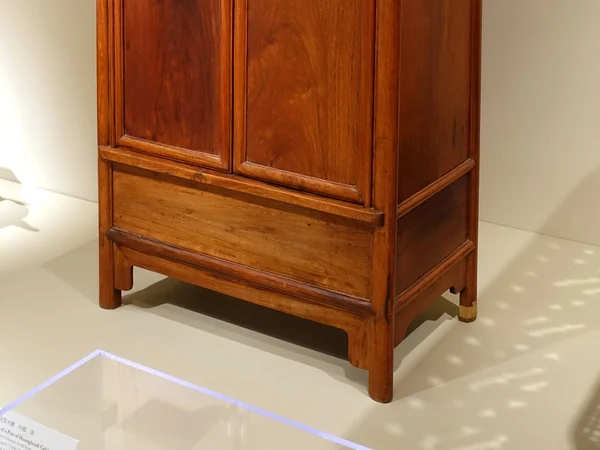
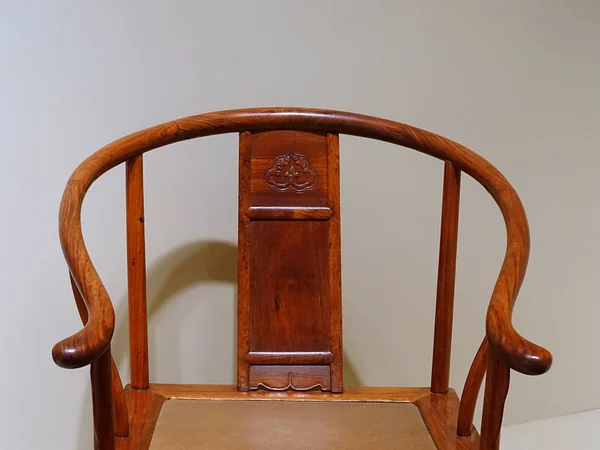
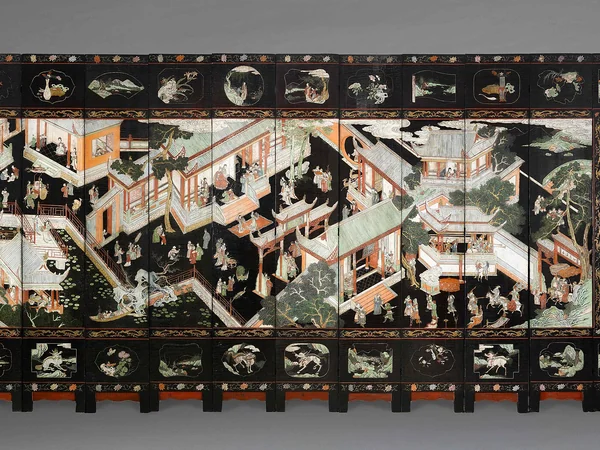
Traditional Chinese furniture is a long history of changing postures, rooms, materials and craft—not a single “oriental antique” look. Archaeological finds, paintings, texts, tomb models and surviving objects show lacquered platforms, mats and low furniture long before the celebrated hardwood work of the Ming and Qing dynasties. Later chairs, tables, wardrobes, beds and screens developed alongside architecture and social practice. Museum catalogues identify objects by form, material, date and provenance; buyers should expect the same precision from a commercial description.
Early China: Evidence Before Style Labels offers evidence of platforms, mats, low seats, chests and lacquered wood rather than a complete modern room set . Organic materials rarely survive intact, so historians combine excavated objects with images and written records. Claims that one legendary craftsman “invented” all later furniture are cultural stories, not a substitute for archaeological chronology.
Warring States and Early Imperial Periods show refined lacquer, low seating and increasingly specialized household forms . Improved tools supported complex woodworking, but technology spread unevenly and cannot be assigned to one hero. Low furniture remained meaningful even after higher seats appeared.
Qin and Han dynasties expanded the evidence for couches, screens, tables and lacquered furnishings. Contact across Inner Asia contributed to changing seated postures and portable forms, yet people did not switch from floor sitting to chairs in one moment. Tomb art and excavated objects help reconstruct use, but a miniature model may represent an ideal or ritual setting rather than an exact household inventory.
The Six Dynasties period saw more depictions of raised stools and chairs alongside mats and platforms. Buddhism, migration and intercultural contact influenced images and spaces. Lotus motifs and raised seating have multiple histories, so neither should be explained by one imported custom alone.
During the Sui, Tang and Five Dynasties, high and low furniture continued together. Paintings show stools, chairs, platforms, tables and screens in courtly and domestic scenes. Tang furniture should not be described only as thick or ornate. Surviving evidence is fragmentary, and function, patron and medium produced different proportions and decoration.
Song-period images and excavated material show increasingly familiar high seating, tables and room arrangements. Frame construction also related furniture to wider timber-building knowledge, but surviving examples must be dated through evidence rather than a modern silhouette.
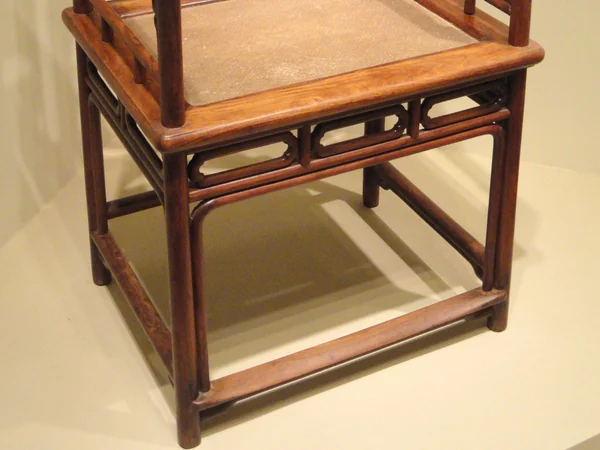
The Ming dynasty is renowned for proportion, fluent lines, visible grain and sophisticated joinery in important surviving pieces. Explore these features in the Ming dynasty furniture guide. Qing workshops continued earlier structures while some court and regional pieces increased scale, material variety, carving and inlay. The Qing dynasty furniture guide separates early, middle and late-period patterns.
Across all periods, condition and provenance matter. Do not strip an old finish, force a joint or use household polish on suspected lacquer. Keep furniture away from rapid temperature and humidity shifts, and consult a conservator before treatment. Rare-wood identification and cross-border movement may also require current specialist and official documentation.
Editorial accountability
Hu Lei, CEO. The named owner is responsible for travel-planning accuracy and escalation of time-sensitive checks.
Yuntian Travel (Yunnan) Group is identified in its corporate profile as a licensed professional inbound travel service provider based in Kunming, China. Registration and travel-service documents can be requested before booking.
Page-specific references where cited, official destination, transport and entry notices, YUNSKY route-planning records, and direct provider confirmation before a booking is finalized.
Content is reviewed when rules, transport, access, pricing or route conditions change. Final availability and operating details are reconfirmed for each traveler’s dates.
Quality review: Page updated: