Your China & Yunnan Travel Experts

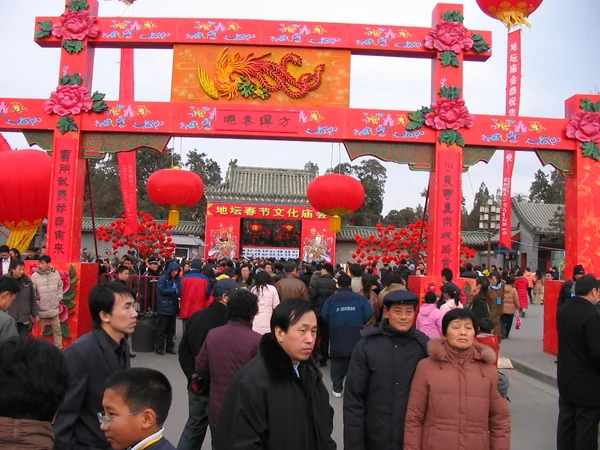
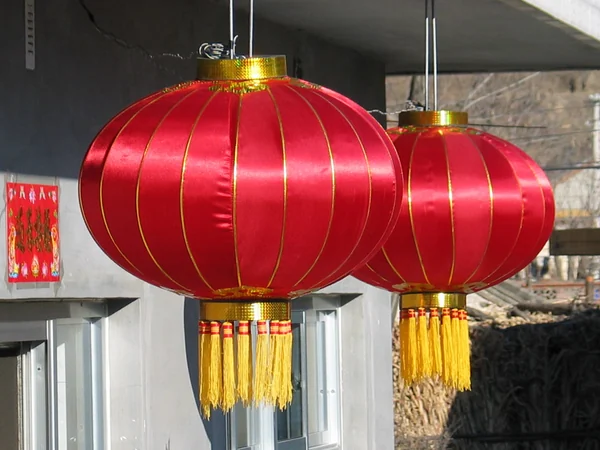
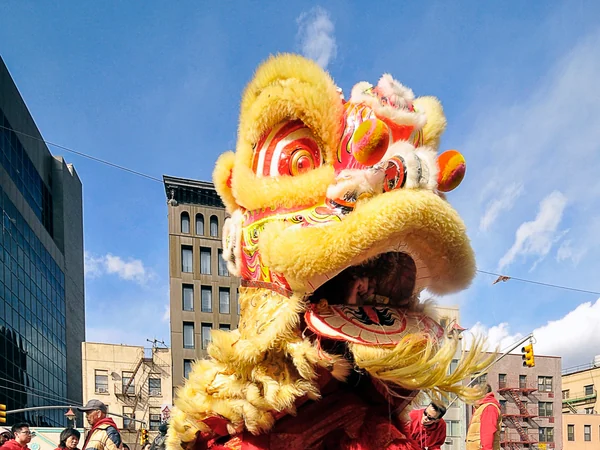
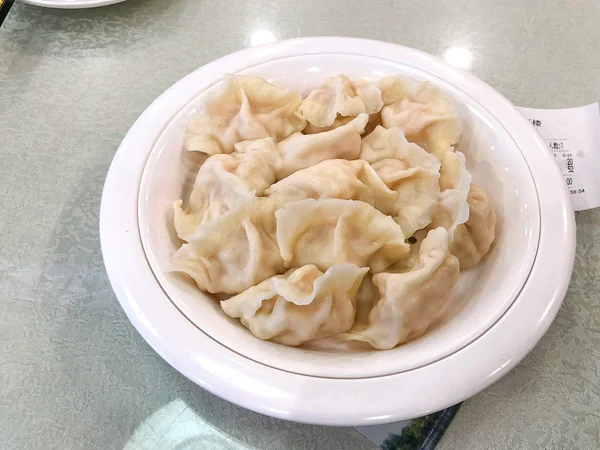
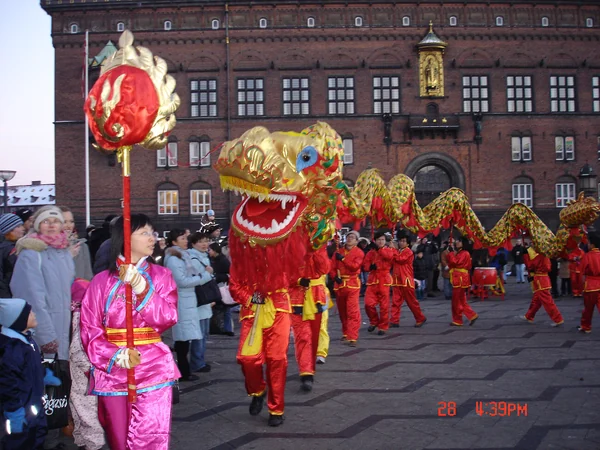
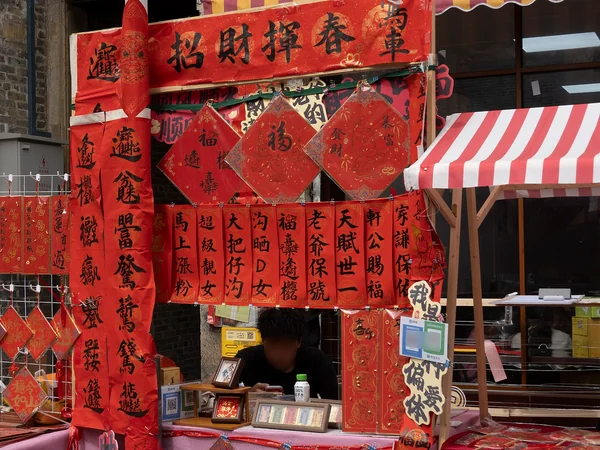
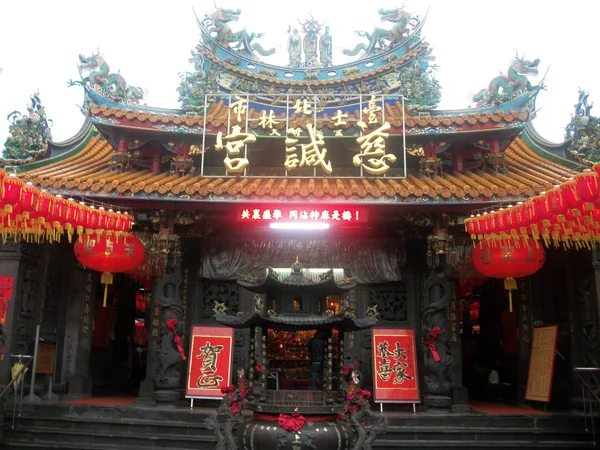
Chinese New Year, or Spring Festival, begins on the first day of the first month in the Chinese calendar. It is best understood as a period of family reunion and community practice, not one uniform nationwide event. Preparations can include cleaning the home, shopping for provisions, making decorations and preparing food; New Year's Eve often centers on a reunion meal, while greetings, visits, temple activities and public performances continue after the new year begins. Customs differ by family, region and community, and modern celebrations may combine longstanding practices with televised programs, tourism events and digital red packets. UNESCO added the social practices connected with Spring Festival to the Representative List of the Intangible Cultural Heritage of Humanity in 2024, emphasizing their transmission through families, communities, education and apprenticeship.
The festival's date changes annually on the Gregorian calendar. Zodiac years also change at Lunar New Year rather than on January 1, an important detail when reading birth-year signs or planning a trip. The linked guides below explain food, decorations, greetings, gifts and regional customs separately so this hub does not repeat the same advice in every section.
Spring Festival produces one of China's busiest annual travel periods because many people travel to reunite with family. Visitors should reserve intercity transport and accommodation early, then verify attraction, restaurant and museum arrangements for the exact dates of travel. The busiest movement does not fit neatly into a short “festival week”; demand builds before New Year's Eve and continues as people return. Keep one flexible day, avoid scheduling a critical long-distance transfer immediately before a major reservation, and confirm current notices rather than relying on last year's timetable.
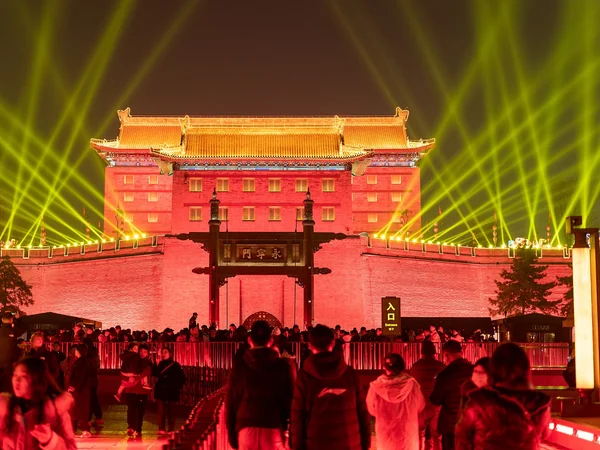
For a city-based introduction, Beijing can combine temple fairs, historic neighborhoods and major museums when current programs are confirmed; Xi'an offers a different setting shaped by Shaanxi food and local performance traditions. Travelers who want guided interpretation rather than a checklist can compare the nine-day China cultural experience. When attending public celebrations, ask before photographing people at worship, do not enter private family gatherings, and remember that red, foods and gifts carry varied meanings rather than fixed rules that apply to every household.
Editorial accountability
Hu Lei, CEO. The named owner is responsible for travel-planning accuracy and escalation of time-sensitive checks.
Yuntian Travel (Yunnan) Group is identified in its corporate profile as a licensed professional inbound travel service provider based in Kunming, China. Registration and travel-service documents can be requested before booking.
Page-specific references where cited, official destination, transport and entry notices, YUNSKY route-planning records, and direct provider confirmation before a booking is finalized.
Content is reviewed when rules, transport, access, pricing or route conditions change. Final availability and operating details are reconfirmed for each traveler’s dates.
Quality review: Page updated: