Your China & Yunnan Travel Experts


Chinese calligraphy and painting share materials, brush control and long histories of collecting, but they are distinct arts. A work should be read as an object with a maker, script or subject, date, format, mounting, inscriptions, seals and collecting history—not simply as decorative “ink art.” Handscrolls are viewed section by section, hanging scrolls vertically, and albums page by page; museum rotations may change because works on paper and silk are light-sensitive.
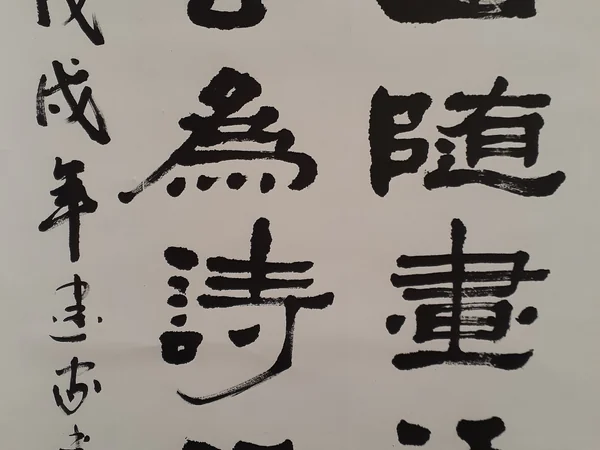
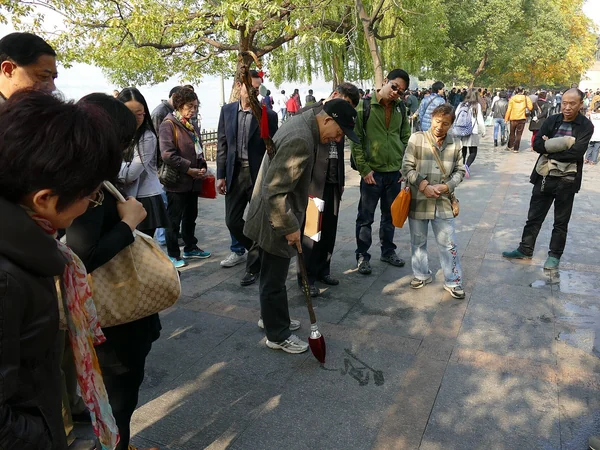
Calligraphy: Chinese calligraphy gives visual form to written language through structure, rhythm, pressure and movement. UNESCO identifies five broad script categories—seal, clerical, cursive, running and regular—while individual works vary greatly within them. Cursive is not merely careless handwriting, and seal script on an artwork is different from the carved seal impression that may accompany it.
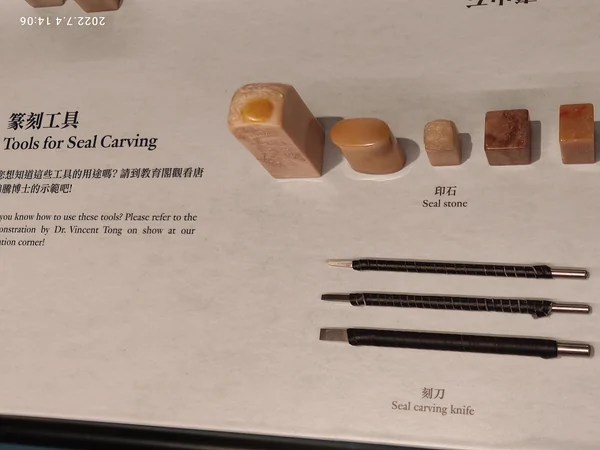
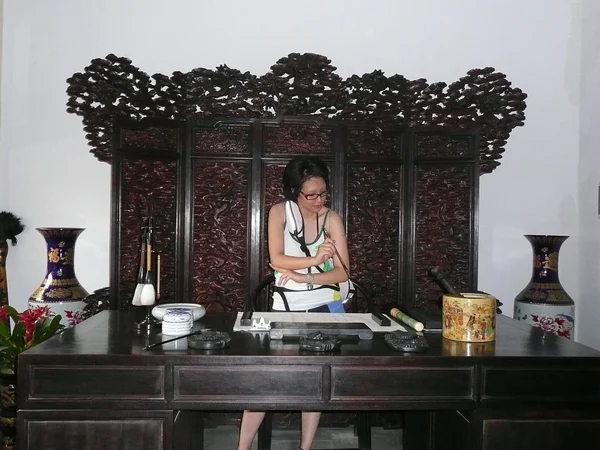
Seals and the Four Treasures: A seal can identify an artist, collector or institution, add a phrase, or participate in the composition. In seal engraving, the design is planned in reverse and cut into stone; the carved object and its red impression are both part of the art. Brush, ink, paper and inkstone are traditionally called the Four Treasures of the Studio, but each category includes many materials and grades. Their interaction matters more than buying an expensive souvenir set.
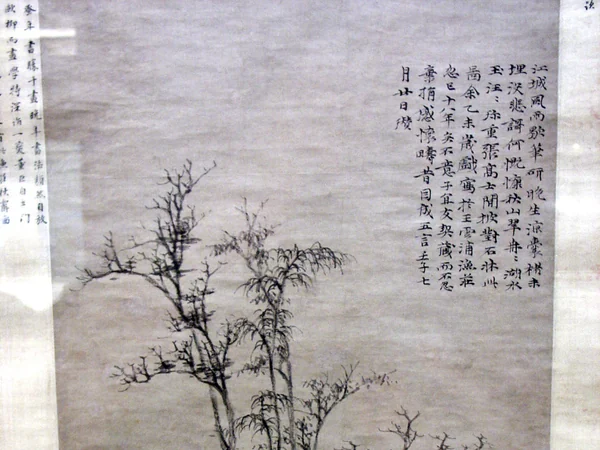
Painting: Chinese painting includes landscapes, figures, birds and flowers, narrative subjects and many regional or individual approaches. Monochrome ink is not the only medium, and “traditional” does not mean that every surviving work follows one unchanging style. Study the label before interpreting a scene, especially when later inscriptions and collectors' seals appear on the same mounting.
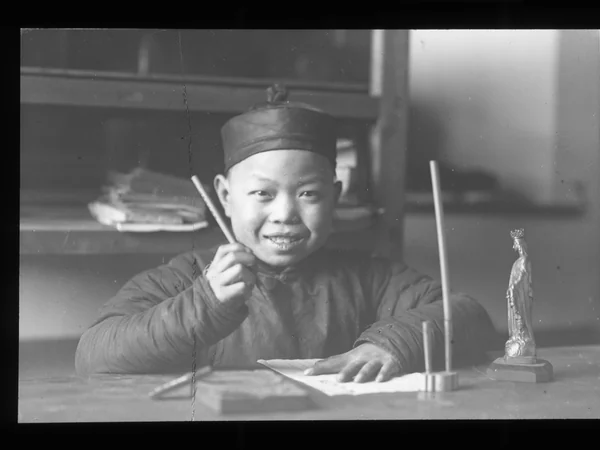
Planning an art experience: Hangzhou connects painting and seal culture with major museums and the Xiling Seal Engravers' Society; the Huangshan culture itinerary links landscape traditions with Huizhou heritage; and the China architecture route adds the built settings in which calligraphy and painting are often encountered. In a workshop, expect an introduction to posture, ink loading and basic strokes rather than instant mastery. Follow museum rules on photography, never touch a scroll or seal, and avoid attributing unsigned works without evidence. The cards below preserve the page's original progression through calligraphy, seals, studio tools, painting and an introductory lesson.
Editorial accountability
Hu Lei, CEO. The named owner is responsible for travel-planning accuracy and escalation of time-sensitive checks.
Yuntian Travel (Yunnan) Group is identified in its corporate profile as a licensed professional inbound travel service provider based in Kunming, China. Registration and travel-service documents can be requested before booking.
Page-specific references where cited, official destination, transport and entry notices, YUNSKY route-planning records, and direct provider confirmation before a booking is finalized.
Content is reviewed when rules, transport, access, pricing or route conditions change. Final availability and operating details are reconfirmed for each traveler’s dates.
Quality review: Page updated: