Your China & Yunnan Travel Experts


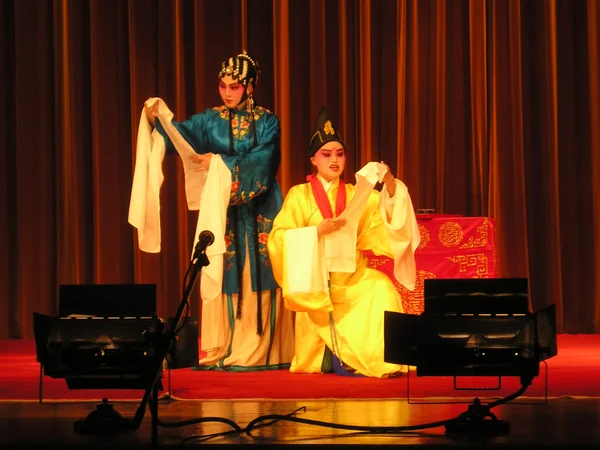
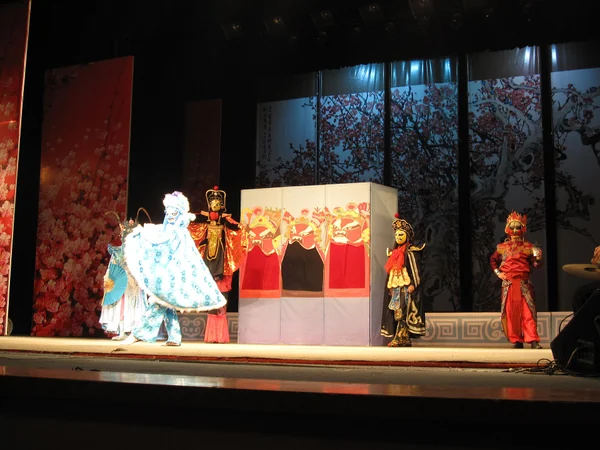
Traditional Chinese performance includes many distinct arts rather than one fixed national style. Opera, acrobatics, narrative arts and puppetry use different combinations of voice, music, gesture, costume, movement and stagecraft. Their meaning is often regional: Kunqu developed around Kunshan and the Suzhou region; Peking opera became centered in Beijing, Tianjin and Shanghai; Sichuan opera reflects southwestern theatrical traditions; and quyi is an umbrella for numerous storytelling and sung-narrative forms.
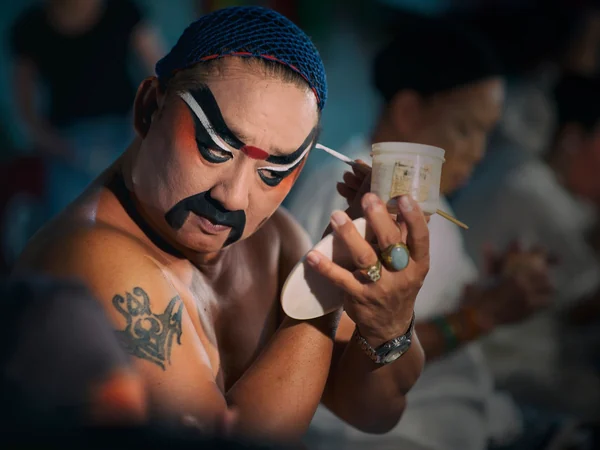
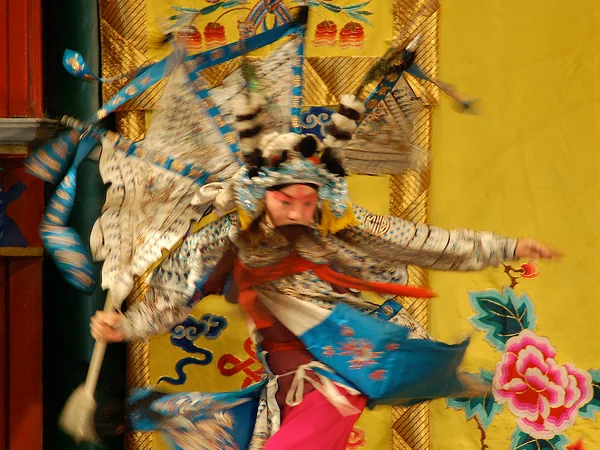
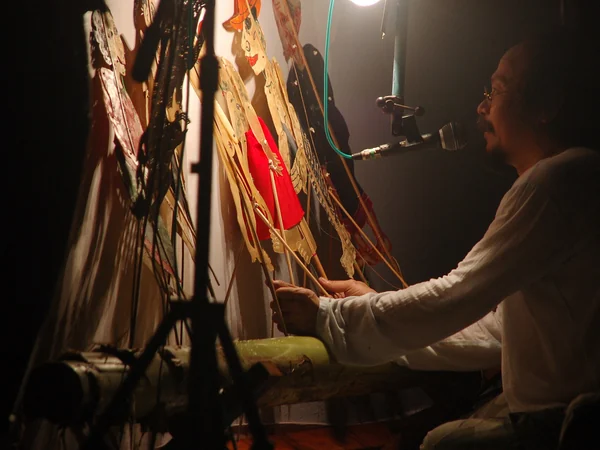
How the forms differ: Peking opera combines singing, recitation, acting and martial movement in a highly symbolic stage language. UNESCO notes that its sparse props, established choreography, music and facial designs guide the audience's understanding of place, action and character. Kunqu uses a different melodic and performance tradition, with bamboo flute, percussion, stylized gesture and a classical repertory that influenced later opera forms. Chinese shadow puppetry creates moving silhouettes from articulated leather or paper figures behind an illuminated screen, accompanied by singing and music. Acrobatics emphasizes physical technique and visual timing; it should not be confused with the codified combat movement inside an opera scene.
Choosing a show: Read the synopsis before attending, especially when surtitles are unavailable. A short highlights program is accessible for a first encounter, while a full opera gives better narrative and musical context. Check the exact company, venue, language support, runtime and current schedule—“Chinese opera” alone does not identify the form. Beijing is the clearest base for Peking opera, Suzhou connects naturally with Kunqu's regional history, and Chengdu is a practical setting for learning about Sichuan opera.
Watch respectfully: Arrive before the performance, silence devices and follow venue rules on photography or recording. Face-changing in Sichuan opera is one technique within a wider art form, not the whole tradition. The sections below preserve the original topic order and direct readers to focused guides on acrobatics, Kunqu, Peking opera, quyi, shadow play and Sichuan opera.
Editorial accountability
Hu Lei, CEO. The named owner is responsible for travel-planning accuracy and escalation of time-sensitive checks.
Yuntian Travel (Yunnan) Group is identified in its corporate profile as a licensed professional inbound travel service provider based in Kunming, China. Registration and travel-service documents can be requested before booking.
Page-specific references where cited, official destination, transport and entry notices, YUNSKY route-planning records, and direct provider confirmation before a booking is finalized.
Content is reviewed when rules, transport, access, pricing or route conditions change. Final availability and operating details are reconfirmed for each traveler’s dates.
Quality review: Page updated: