Your China & Yunnan Travel Experts


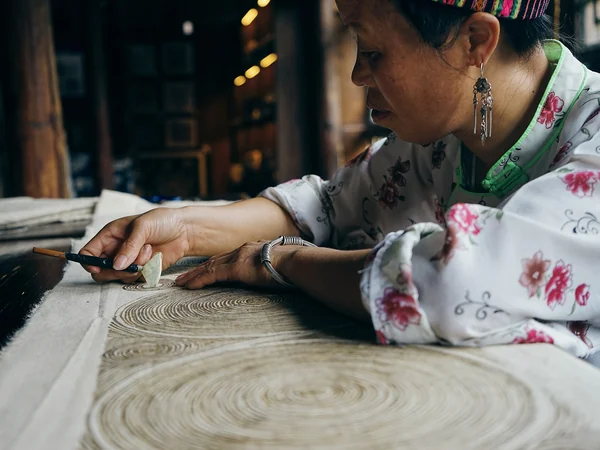
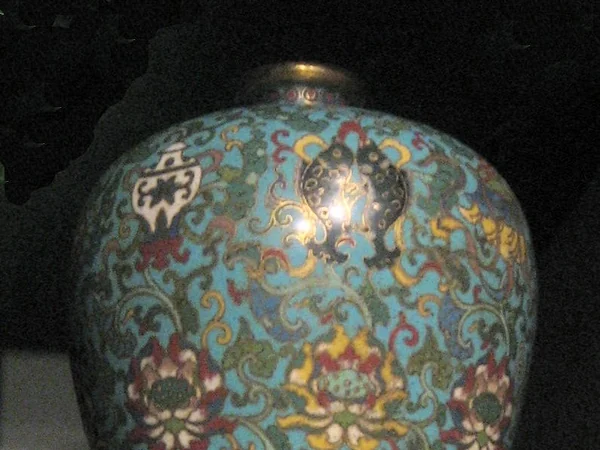
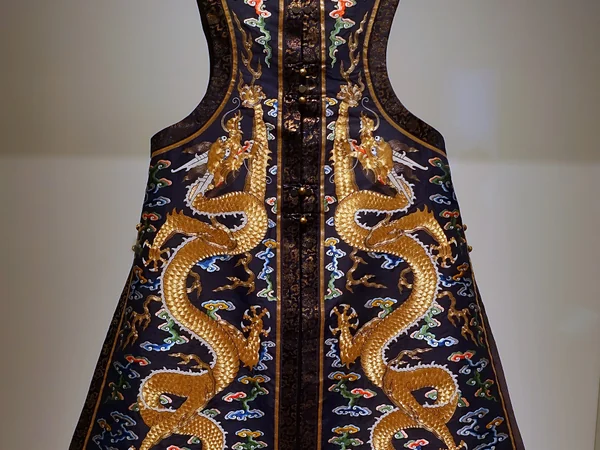
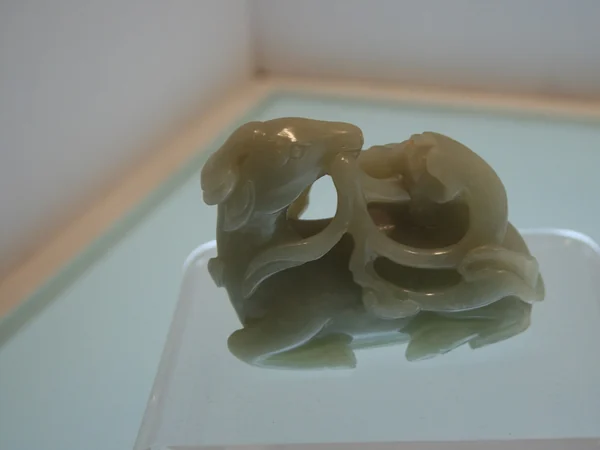
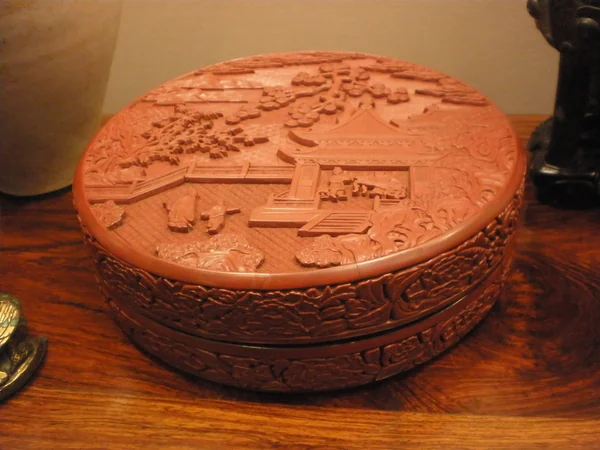
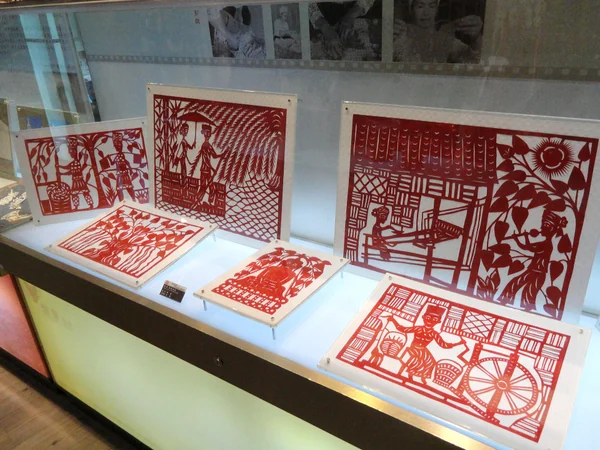
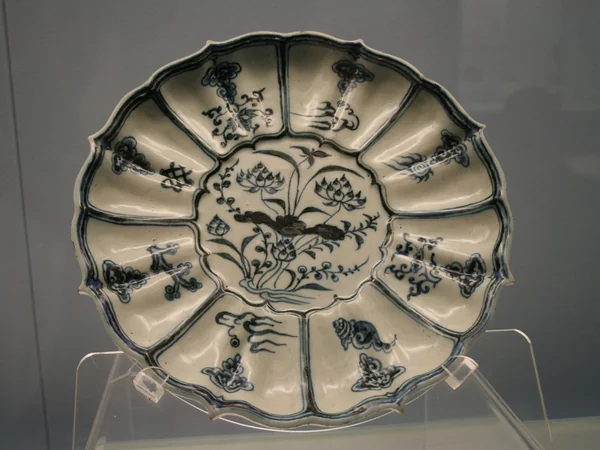
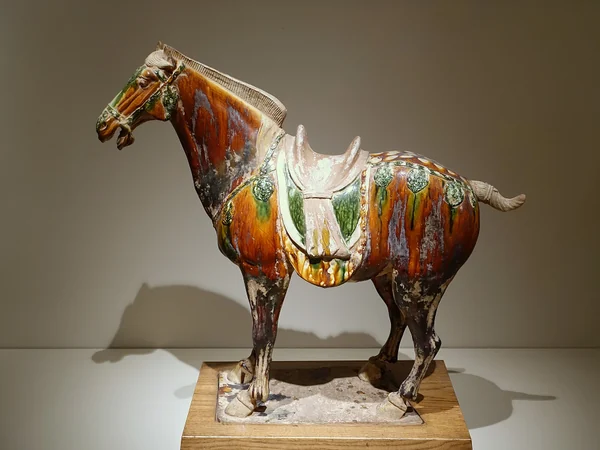
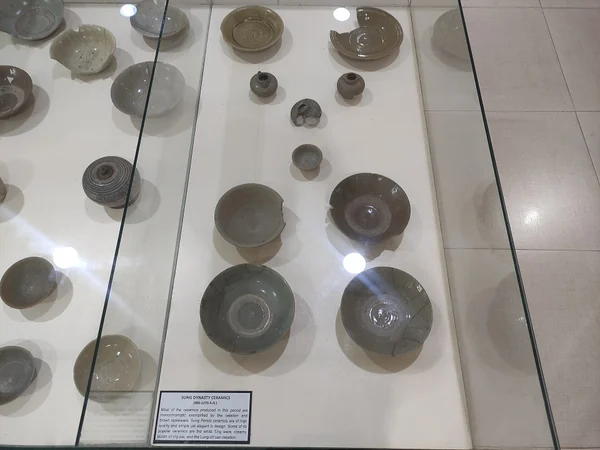
Chinese handicrafts are best understood as living systems of material, skill and local knowledge. Wax-resist textiles, embroidery, lacquer, ceramics, jade carving, metal enamel, paper cutting and decorative knotting do not share one origin or one method. Each developed through a different relationship between makers, patrons, trade, ritual and daily life. A museum object may represent court taste, while a related technique can remain part of household production or community dress. Material literacy is the best starting point: porcelain is fired clay, cloisonne combines metal and enamel, embroidery builds a surface with thread, and carved lacquer is made through repeated layers rather than one coat of red paint. Those distinctions help visitors ask better questions and avoid treating every decorative object as interchangeable “folk art.”
For travelers, the most useful way to explore the subject is by place. Guizhou is closely associated with Miao and Buyi textile traditions; Suzhou is known for silk and embroidery; Jingdezhen is central to the history of porcelain production; Beijing provides access to court collections, cloisonne and carved lacquer; Tianjin is linked with Clay Figurine Zhang. Travelers interested in community-based textile traditions can begin with China ethnic tours, while ceramics-focused planning benefits from the Jingdezhen Ceramics Museum. A first craft-focused trip usually works better around one or two regions: Beijing and Tianjin for court and northern urban crafts, Shanghai and Suzhou for silk and embroidery, or Guizhou for textiles in community context. Connecting all of them requires substantial travel and risks reducing workshops to quick retail stops.
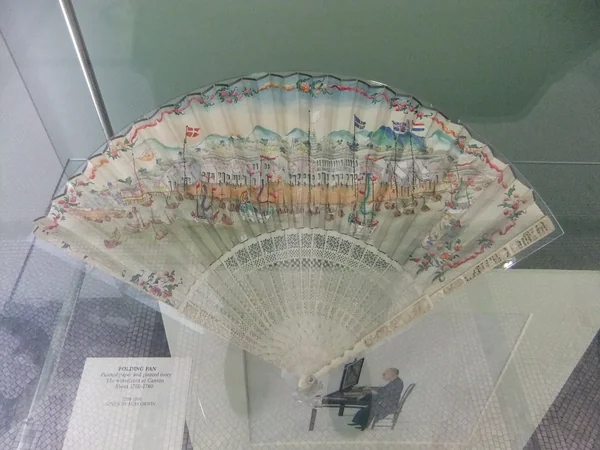
Use the cards below as a directory rather than a claim that every craft is practiced in the same way today. At a museum, read the date, material, maker or workshop, provenance and original function before interpreting a motif. At a studio, ask which stages happen on site and whether the person demonstrating also made the finished work. When shopping, ask whether an object is handmade, workshop-produced or factory-made; which material and technique were used; and whether the design is inherited, contemporary or adapted for tourism. Provenance matters more than an unsupported label such as “antique.” Export and cultural-property rules can vary, so request a receipt and do not buy archaeological material or protected wildlife products. For practical market context, see what and where to buy in Beijing. Photography, demonstrations and opening arrangements should always be confirmed with the workshop or museum you plan to visit.
Editorial accountability
Hu Lei, CEO. The named owner is responsible for travel-planning accuracy and escalation of time-sensitive checks.
Yuntian Travel (Yunnan) Group is identified in its corporate profile as a licensed professional inbound travel service provider based in Kunming, China. Registration and travel-service documents can be requested before booking.
Page-specific references where cited, official destination, transport and entry notices, YUNSKY route-planning records, and direct provider confirmation before a booking is finalized.
Content is reviewed when rules, transport, access, pricing or route conditions change. Final availability and operating details are reconfirmed for each traveler’s dates.
Quality review: Page updated: