Your China & Yunnan Travel Experts



Characteristics: Patterns, Not Authentication Rules
Many celebrated 18th-century objects emphasize scale, technical virtuosity and auspicious decoration. Imperial examples can combine carving, lacquer, gilding or inlay with precious materials. Those features reflect particular patrons and workshops; they are not a checklist that dates every ornate object to the Qing. Function, regional practice and budget produced wide variation.
Dark hardwoods including zitan, huali and hongmu appear in important collections, alongside lacquered wood and more common timbers. A modern seller's material name must still be verified component by component. Color, weight and scent are not enough, and international movement may require species-level documentation. See the rosewood furniture guide before accepting a premium material claim.
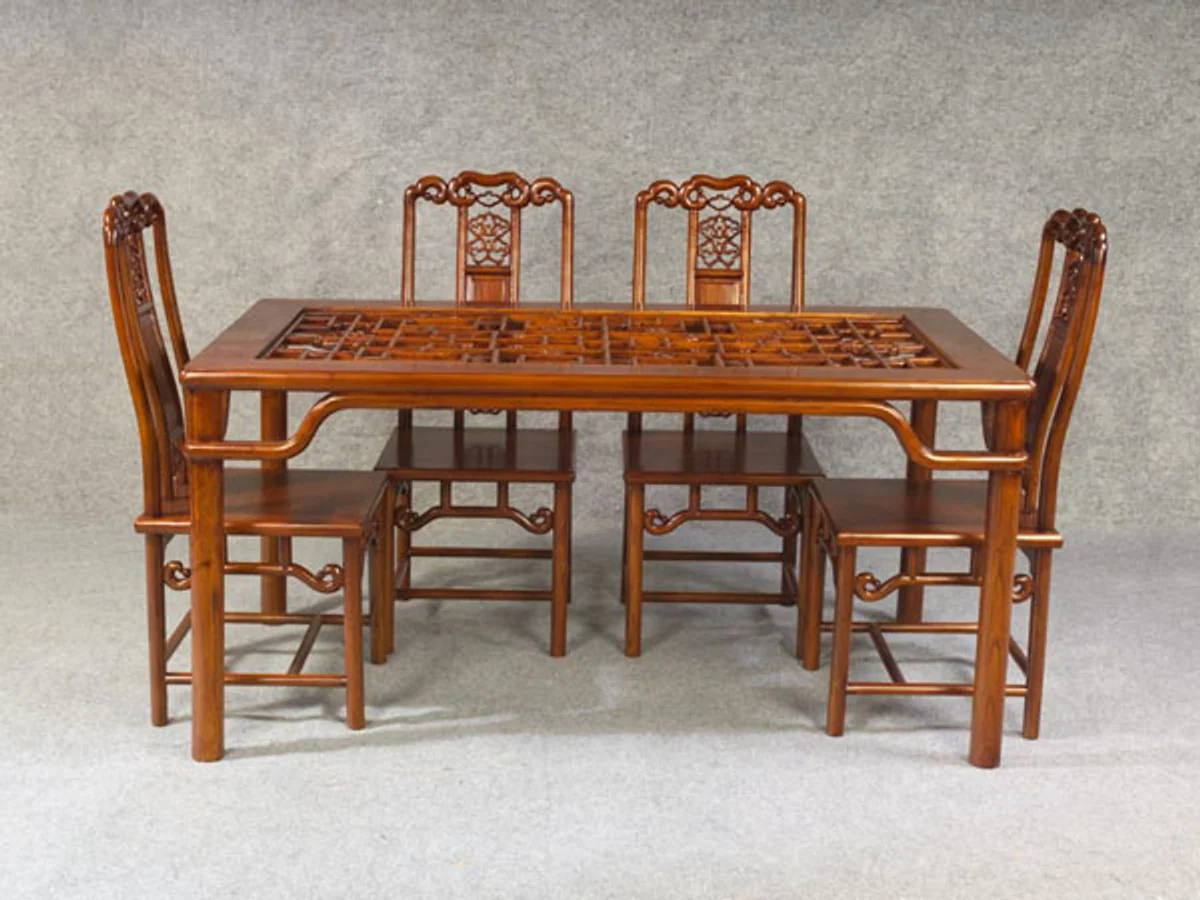
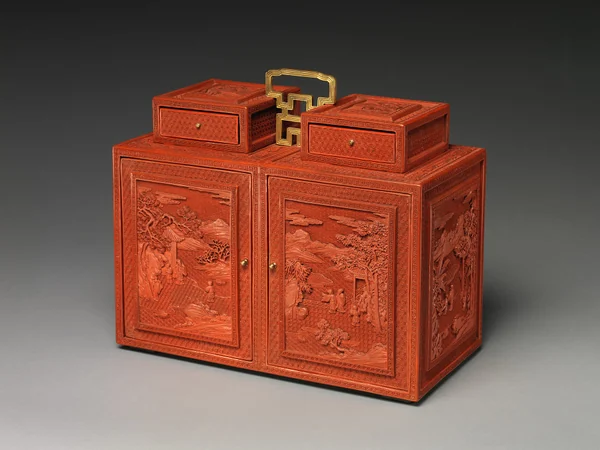
Qing dynasty carved lacquer cabinet with landscape decoration
Decoration could include relief carving, openwork, painted or carved lacquer, mother-of-pearl, stone, enamel, metal and other inlay. Motifs need context: the same dragon, bat, lotus or landscape can change meaning with placement, patron and use. Restoration may replace inlay or refresh gilding, so document condition before interpreting the surface.
Western forms and ornament entered some court and urban workshops through objects, prints, missionaries, maritime trade and regional exchange. Some pieces combine Chinese structure with foreign-derived profiles; others copy or reinterpret European forms. Influence is not proof that a cabinet came from the imperial court, and “Chinese Chippendale” refers to a Western design fashion.
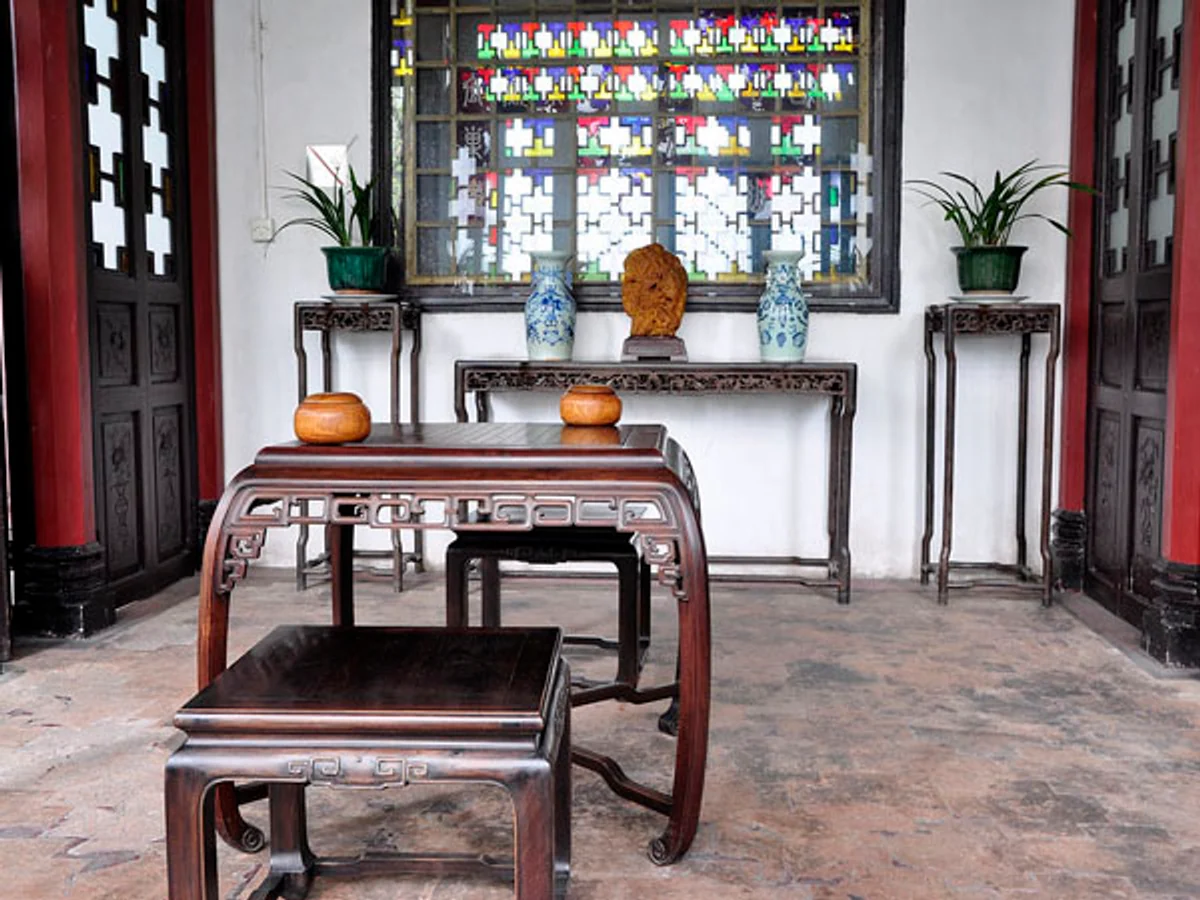
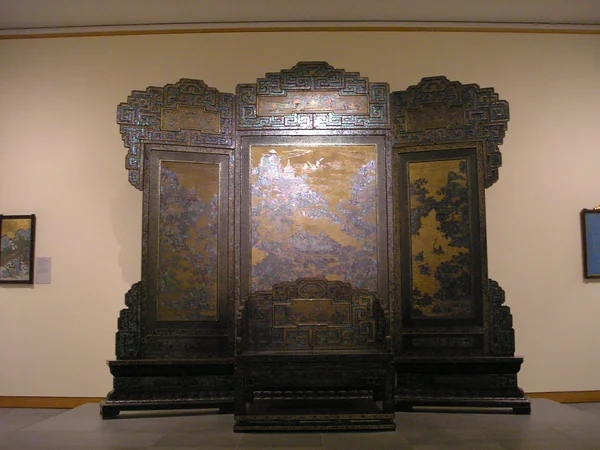
Qing court furniture made from dark hardwood with elaborate decoration
History and Development
In the early Qing through the Kangxi reign, many objects retained the proportion and structural clarity associated with late Ming production. Boundaries overlap, and reputable museums may date a table “late Ming–early Qing.” Read the Ming furniture guide for the characteristics that continued across the political transition.
From the Yongzheng and Qianlong reigns into the Jiaqing period, expanding court demand supported specialized imperial workshops and contributions from artisans in Guangzhou, Suzhou and other centers. Some surviving furniture became larger and more lavish, but archival orders and object records—not a decorative stereotype—are the best evidence for court production.
During the 19th century, workshops continued traditional forms while responding to economic disruption, changing patrons, export markets and new interior fashions. Describing the whole late Qing period as poor workmanship erases excellent surviving pieces and regional diversity. Summer Palace and Forbidden City interiors preserve examples of furniture in architectural settings, but displays, repairs and room arrangements can change. Treat a staged historic room as curatorial interpretation and check the site's current official guidance before visiting.
Furniture Types
Beds and couches include canopy beds, platform beds and luohanchuang daybeds. Names describe form and use; they do not guarantee that an object was made for a palace.
Chairs, stools and benches range from formal armchairs and thrones to portable folding seats and practical household forms.
Tables include altar tables, painting tables, desks, dining tables, stands and small tea tables, each with different load and viewing requirements.
Screens can divide space, frame a seat or carry painting, carving and inlay. A screen's panel may be older or newer than its stand.
Cabinets, wardrobes, chests and shelves organized clothing, bedding, scrolls, books and ritual objects. Interior wear can be as informative as the decorated doors.
Regional and Workshop Traditions
Guangzuo, associated with Guangzhou workshops, is often linked to generous use of hardwood, dense carving and exposure to maritime trade. Not every Canton-made object is extravagant, and “no spliced components” is not a universal or useful quality rule.
Suzhou Workshop Traditions
Suzuo is often associated with literati taste, balanced proportions and economical use of material, but Suzhou production changed across patrons and centuries. Motifs drawn from painting, plants and landscape should be studied on the individual object.
( Beijing ) workshop traditions
Jingzuo can refer to Beijing production connected with court demand and the movement of artisans and designs among imperial, Guangzhou and Suzhou workshops. The Palace Museum's workshop archives show that production was a network, not three sealed schools. For attribution, ask whether a claim rests on an inscription, archive, provenance, construction study or only a dealer's visual impression.
Editorial accountability
Hu Lei, CEO. The named owner is responsible for travel-planning accuracy and escalation of time-sensitive checks.
Yuntian Travel (Yunnan) Group is identified in its corporate profile as a licensed professional inbound travel service provider based in Kunming, China. Registration and travel-service documents can be requested before booking.
Page-specific references where cited, official destination, transport and entry notices, YUNSKY route-planning records, and direct provider confirmation before a booking is finalized.
Content is reviewed when rules, transport, access, pricing or route conditions change. Final availability and operating details are reconfirmed for each traveler’s dates.
Quality review: Page updated: