Your China & Yunnan Travel Experts



Chinese Food Cities cannot be reduced to a permanent ranking. The right choice depends on region, spice tolerance, trip length and whether you prefer markets, specialist restaurants or formal dining. These seven city areas create useful contrasts and connect well by air or rail. The Chinese cuisine overview explains the regional traditions behind them.
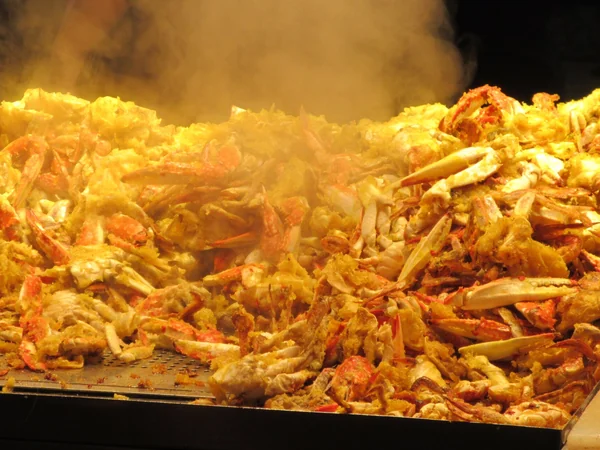
Guangzhou is a major center of Cantonese cooking, with morning tea, roast meats, soups, rice-noodle rolls and seasonal seafood.
Yum cha works best with a group because baskets contain several pieces; order in rounds and check shrimp, pork and lard when restrictions matter. A Chaoshan food tour shows how eastern Guangdong's seafood, braises and tea customs differ from Guangzhou's Cantonese identity.
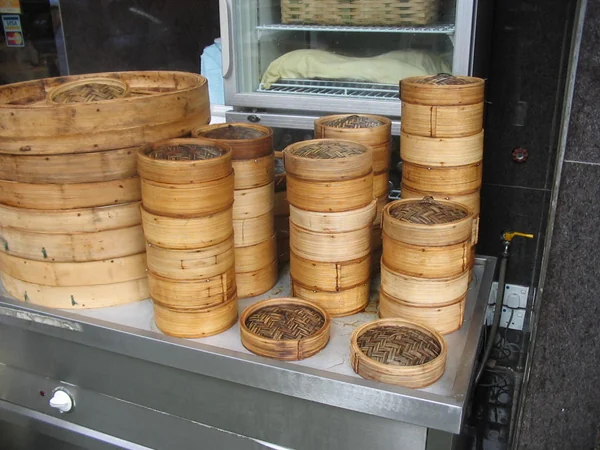
Morning tea and dim sum in Guangzhou
Hong Kong combines Cantonese foundations with teahouses, roast-meat shops, dai pai dong heritage, bakeries and international restaurants. Macau adds Macanese cooking shaped by Chinese and Portuguese connections.
Do not treat the two cities as identical extensions of Guangzhou: local histories, snacks and restaurant cultures are distinct. Plan border procedures and transport using current official information.
Dim sum and bakery traditions in Hong Kong or Macau
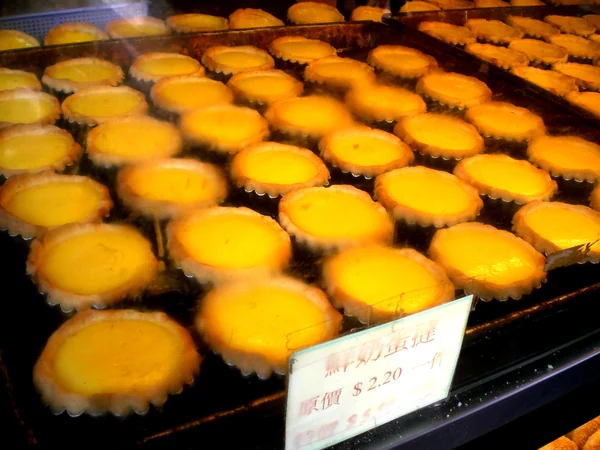
Changsha is an accessible base for Hunan flavors built with fresh chili, fermented ingredients, smoked or cured foods and sharp savory notes.
Try small portions of stinky tofu, rice noodles and spicy dishes, and communicate the desired heat level. Removing visible chilies may not make a sauce mild.
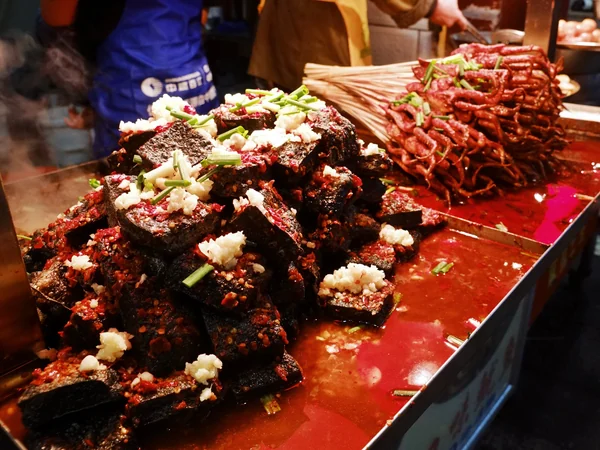
Chengdu and Chongqing share links with the wider Sichuan culinary world but have different city identities. Chengdu is strong for snacks, teahouse rhythm and layered Sichuan dishes; Chongqing is closely associated with robust hot pot.
Mapo tofu, dan dan noodles and cold dishes show more than chili heat: fermented bean paste, Sichuan pepper, vinegar and aromatics create contrasting profiles. Keep raw and cooked hot-pot utensils separate, choose a broth level you can enjoy and ask about sesame, peanuts and animal fats.
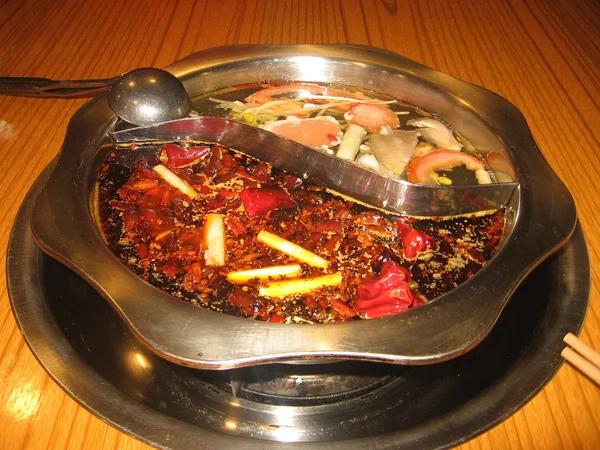
A bubbling Chongqing-style hot pot
Shanghai offers xiaolongbao, scallion-oil noodles, braised dishes and seasonal river or coastal ingredients alongside restaurants from across China.
Taste soup dumplings carefully because the broth can be very hot. A Shanghai night food walk is most valuable when it explains neighborhood history and lets you sample small portions rather than rushing between famous names.
Markets and specialist shops can change hours, tenants or access, so confirm current arrangements before crossing the city.
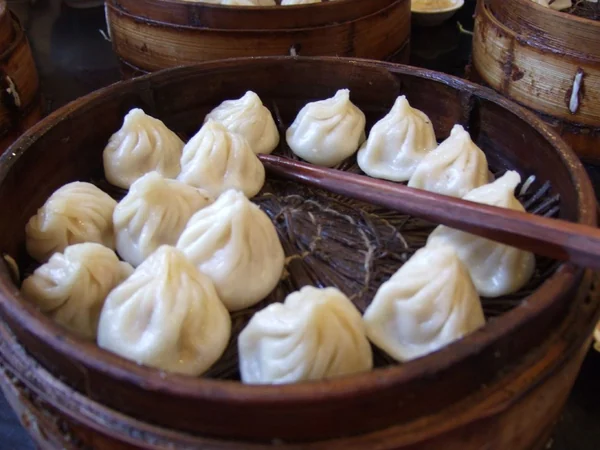
Xiaolongbao served in a bamboo steamer
Hangzhou's lower-Yangtze setting is reflected in freshwater fish, shrimp, bamboo shoots, tea and gently balanced sauces. West Lake fish in vinegar gravy, Longjing shrimp and Dongpo pork are familiar references, but restaurant versions vary.
Combine a meal with a tea museum or village only when transport and opening arrangements fit the day.
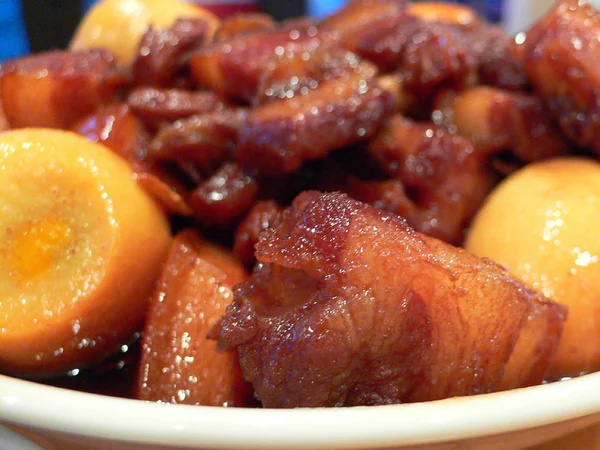
Dongpo pork served in Hangzhou style
Beijing brings together roast duck, wheat-based snacks, hot pot, historic Muslim food traditions and cuisines introduced by migrants from across China.
Reserve specialist roast-duck restaurants when required, ask whether half a duck is available and confirm included courses. International dining is abundant, but compare neighborhoods and restaurant types rather than collecting luxury venues.
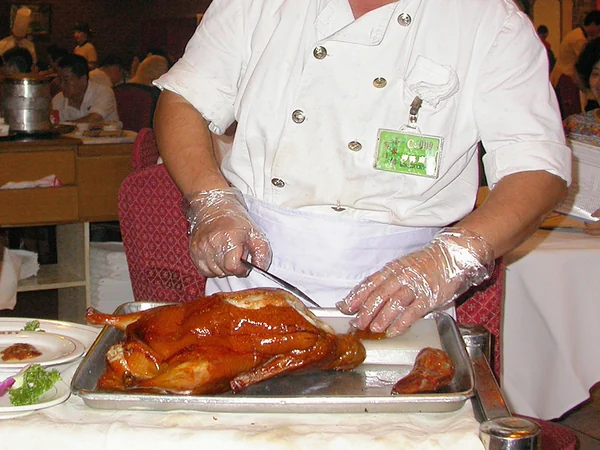
Peking duck carved and served with pancakes
Editorial accountability
Hu Lei, CEO. The named owner is responsible for travel-planning accuracy and escalation of time-sensitive checks.
Yuntian Travel (Yunnan) Group is identified in its corporate profile as a licensed professional inbound travel service provider based in Kunming, China. Registration and travel-service documents can be requested before booking.
Page-specific references where cited, official destination, transport and entry notices, YUNSKY route-planning records, and direct provider confirmation before a booking is finalized.
Content is reviewed when rules, transport, access, pricing or route conditions change. Final availability and operating details are reconfirmed for each traveler’s dates.
Quality review: Page updated: