Your China & Yunnan Travel Experts



The traditional calendar alternates 12 major terms, called zhōngqì, with 12 minor terms, called jiéqì in the narrower sense. Astronomically, consecutive terms are spaced by 15 degrees of solar longitude. Major terms also help regulate leap months in the Chinese agricultural calendar.
The intervening minor terms give the cycle its familiar seasonal rhythm. Names such as Awakening of Insects, Grain in Ear and White Dew preserve observations from the climatic and agricultural setting in which the system developed.
The equinoxes and solstices are astronomical anchors; other names describe typical weather, crops or ecological changes. China spans tropical, plateau, desert and subarctic environments, so use the terms as cultural context rather than destination-specific climate guarantees.
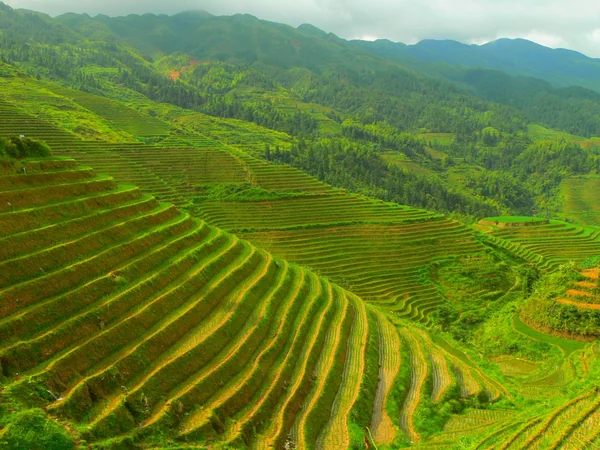
Seasonal farming landscape associated with China's 24 solar terms
For travelers, the system explains why a museum label, menu, garden program or public event may use a seasonal name. Exact Gregorian dates can shift by a day, and local events require current confirmation. Solar terms should also be kept separate from lunar festivals: the Lantern Festival, for example, is fixed to the fifteenth day of the first lunar month.
Overview of the 24 Solar Terms
Start of Spring (Lìchūn) The first term, usually around February 3–5, marks the seasonal beginning of spring in the traditional system. It is a calendar signal, not a promise of warm weather everywhere in China.
Rain Water (Yǔshuǐ) Usually around February 18–20, this term points to increasing moisture and the gradual return of rainfall in the climatic setting where the system developed.
Awakening of Insects (Jīngzhé) Usually around March 5–7, it evokes rising temperatures and renewed biological activity. The traditional name should be read as seasonal observation, not a precise forecast for every destination.
Spring Equinox (Chūnfēn) Usually around March 20–22, the Sun crosses the celestial equator and day and night are approximately equal in length.
Clear and Bright (Qīngmíng) Usually around April 4–6, this term is associated with clearer spring weather and also gives its name to the Qingming remembrance festival.
Grain Rain (Gǔyǔ) Usually around April 19–21, it connects late-spring rainfall with crop growth in traditional agricultural knowledge.
Start of Summer (Lìxià) Usually around May 5–7, it opens the traditional summer sequence even though local temperatures differ greatly across China.
Grain Buds (Xiǎomǎn) Usually around May 20–22, it refers to grains beginning to fill rather than being ready for harvest.
Grain in Ear (Mángzhòng) Usually around June 5–7, it indicates an important period for harvesting and sowing awned grain crops in parts of China.
Summer Solstice (Xiàzhì) Usually around June 21–22, it brings the longest daylight of the year in the Northern Hemisphere.
Minor Heat (Xiǎoshǔ) Usually around July 6–8, it signals the opening of a hotter part of summer, though the strongest heat may still be ahead.
Major Heat (Dàshǔ) Usually around July 22–24, it corresponds to a period traditionally associated with intense summer heat.
Start of Autumn (Lìqiū) Usually around August 7–9, it begins the traditional autumn sequence; many Chinese cities can remain very hot.
End of Heat (Chǔshǔ) Usually around August 22–24, the name describes summer heat beginning to withdraw rather than ending immediately.
White Dew (Báilù) Usually around September 7–9, it refers to cooler nights and visible dew as the seasonal temperature range increases.
Autumn Equinox (Qiūfēn) Usually around September 22–24, day and night are again approximately equal in length.
Cold Dew (Hánlù) Usually around October 8–9, it describes a further cooling of autumn conditions.
Frost's Descent (Shuāngjiàng) Usually around October 23–24, it signals the approach of frost in colder regions, not frost on the same date throughout China.
Start of Winter (Lìdōng) Usually around November 7–8, it opens the traditional winter sequence while southern destinations may still feel mild.
Minor Snow (Xiǎoxuě) Usually around November 22–23, it indicates the growing possibility of snow in northern climatic zones.
Major Snow (Dàxuě) Usually around December 6–8, it reflects deeper winter conditions and greater snowfall potential in colder regions.
Winter Solstice (Dōngzhì) Usually around December 21–23, it brings the shortest daylight of the year in the Northern Hemisphere and has its own regional food traditions.
Minor Cold (Xiǎohán) Usually around January 5–7, it marks a cold stage of winter, although the coldest local period varies.
Major Cold (Dàhán) Usually around January 20–21, it closes the 24-term cycle before Start of Spring. Festival preparations may already be visible when Lunar New Year is near.
Editorial accountability
Hu Lei, CEO. The named owner is responsible for travel-planning accuracy and escalation of time-sensitive checks.
Yuntian Travel (Yunnan) Group is identified in its corporate profile as a licensed professional inbound travel service provider based in Kunming, China. Registration and travel-service documents can be requested before booking.
Page-specific references where cited, official destination, transport and entry notices, YUNSKY route-planning records, and direct provider confirmation before a booking is finalized.
Content is reviewed when rules, transport, access, pricing or route conditions change. Final availability and operating details are reconfirmed for each traveler’s dates.
Quality review: Page updated: