Your China & Yunnan Travel Experts



Traditional Chinese medicine (TCM) is a living medical tradition with its own vocabulary, diagnostic patterns and treatment practices. This page explains that framework for cultural and health-literacy purposes; it does not diagnose symptoms or claim that traditional categories are identical to biomedical anatomy. Start with the Traditional Chinese Medicine overview, and consult a licensed clinician for personal care. Do not use this article to replace or delay urgent or conventional medical assessment.
The theoretical framework of TCM
TCM texts organise observations through concepts including yin and yang, the five phases, qi, channels and collaterals, and zang-fu systems. The World Health Organization publishes standard TCM terminology so practitioners and researchers can describe these concepts consistently. Standardised terminology records a tradition; it does not by itself prove that every diagnosis or treatment is effective.
Yin and yang
Yin and yang describe paired, interdependent qualities—such as interior and exterior, rest and activity, or cooling and warming—within classical Chinese thought. In TCM reasoning, a practitioner may use these relationships to organise a pattern of signs and symptoms. They are explanatory categories in that medical system, not measurable substances and not a reason to ignore laboratory tests, imaging or a biomedical diagnosis.
The five phases
Wood, fire, earth, metal and water are better understood here as five phases or relational categories, not as five literal ingredients in the body. Classical theory uses cycles of generation and restraint to connect seasons, functions and symptom patterns. Modern readers should distinguish this historical model from chemistry and physiology; a trained practitioner still needs a full history, examination and appropriate referral.
Qi and the six climatic influences
Qi has several context-dependent meanings in Chinese medicine and should not be reduced to a scientifically measured “energy.” Classical sources also describe wind, cold, summer heat, dampness, dryness and fire or heat as six external influences. These terms help organise traditional patterns, but fever, breathing difficulty, severe pain, dehydration or neurological change require timely evidence-based medical evaluation.
Channels and collaterals
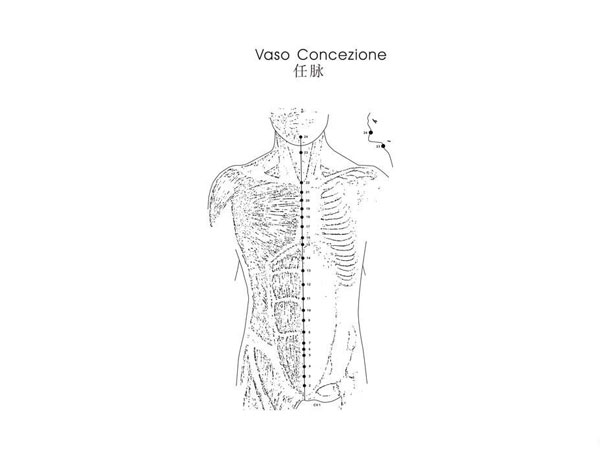
Channel and collateral theory maps relationships among body regions and acupuncture points. It guides point selection in acupuncture and related practice, but channels are not the same as blood vessels, nerves or lymphatic ducts. The image beside this section remains as a visual reference to the traditional framework. Acupuncture evidence varies by condition, and safe treatment requires an appropriately trained practitioner using sterile, single-use needles.
Zang-fu organ systems
Terms such as Heart, Liver, Spleen, Lung and Kidney can name functional systems in TCM as well as anatomical organs; the capitalised traditional term should not be mistaken for a biomedical diagnosis of that organ. Fu systems include the Stomach, Small Intestine, Large Intestine, Bladder, Gallbladder and Triple Energizer. Translation without that distinction can cause unnecessary alarm, so ask a practitioner what a pattern name means and whether conventional tests or referral are indicated.
What the framework can—and cannot establish
TCM is practised alongside conventional medicine in many settings, but “integrated” care does not mean one system is automatically superior. WHO's current strategy calls for traditional and complementary care to be evidence-based, safe, quality-assured and appropriately regulated. Our guide to distinctive TCM concepts gives more historical context without turning those concepts into treatment promises.
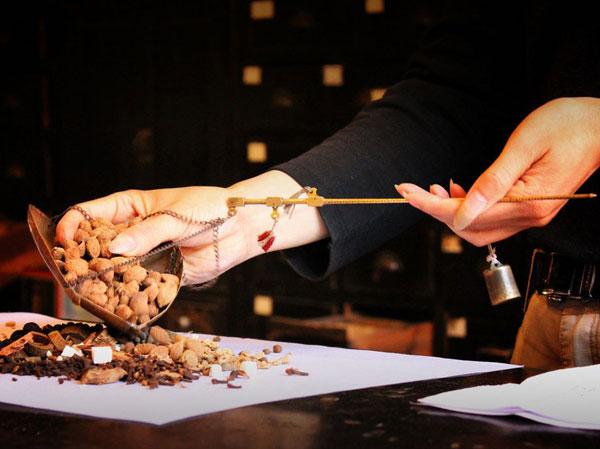
Research findings depend on the exact intervention, condition, comparison and outcome. NCCIH notes that some approaches, including acupuncture and tai chi, may help certain pain conditions or quality-of-life measures, while results for Chinese herbal products are mixed. The old page's broad claims about allergies, infertility, smoking cessation and many other conditions are therefore removed. “TCM” is not one treatment, and evidence for one practice cannot be transferred to every other practice.
Safety is part of professional care. Herbal products can interact with medicines or contain contaminants; improperly delivered acupuncture can cause infection or serious injury. Tell every clinician about herbs and complementary treatments, and seek regulated practitioners. Pregnancy, childhood, anticoagulant use and serious or unexplained symptoms warrant particular caution.
The four examinations: looking, listening and smelling, asking, and palpation
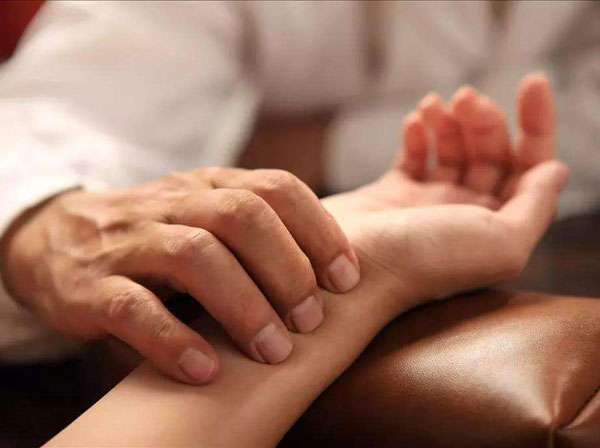
Traditional accounts associate the physician Bian Que with early diagnostic skill, but later biographies mix history and legend. The durable clinical concept is the four examinations, often grouped as observation; listening and smelling; questioning; and palpation. The well-known TCM doctors guide places Bian Que and later physicians in historical context. In contemporary practice, these observations should inform a documented assessment rather than substitute for necessary biomedical examination.
Cupping: a separate therapy, not a diagnostic method
Observation may include complexion, movement and the tongue; listening and smelling consider voice, breathing and odour; questioning covers the present complaint, history, sleep, appetite and other relevant changes; palpation includes the radial pulse and tender areas. Findings are interpreted together as a traditional pattern. Cupping, shown in the restored image, is a treatment technique that creates suction on the skin—it is not one of the four examinations. It can leave temporary marks and can cause burns, infection or skin injury when performed improperly. This page was medically reviewed for evidence boundaries on 26 August 2026, but it remains general information rather than personal medical advice.
Editorial accountability
Hu Lei, CEO. The named owner is responsible for travel-planning accuracy and escalation of time-sensitive checks.
Yuntian Travel (Yunnan) Group is identified in its corporate profile as a licensed professional inbound travel service provider based in Kunming, China. Registration and travel-service documents can be requested before booking.
Page-specific references where cited, official destination, transport and entry notices, YUNSKY route-planning records, and direct provider confirmation before a booking is finalized.
Content is reviewed when rules, transport, access, pricing or route conditions change. Final availability and operating details are reconfirmed for each traveler’s dates.
Quality review: Page updated: