Your China & Yunnan Travel Experts



Many visitors complete trips in China without a serious incident, but no destination or itinerary can be guaranteed safe. Conditions vary by place, date and personal circumstances. Review current advice from your own government, understand local laws, keep travel insurance and emergency contacts, and use the practical overview in Is It Safe to Travel in China? before departure.
Build a personal risk plan before departure
Safety depends on route, season, health, activities and the traveler's own circumstances. A city break, high-altitude journey, winter road trip and remote hiking itinerary require different preparation. Review current destination advice, entry conditions and insurance coverage close to travel. Confirm whether the policy covers existing medical conditions, altitude, cycling, trekking, winter sports, missed connections and emergency transport. Save the insurer's assistance number and the process for receiving care.
Keep secure copies of the passport identity page, visa or entry record, insurance and bookings separately from the originals. Share the itinerary with a trusted contact, but do not publish accommodation or real-time movements openly. Every traveler should have the hotel's Chinese name, address and telephone number offline. Agree on a meeting point in crowded stations and attractions, especially for families or groups.
Health preparation is part of travel security
Carry an adequate supply of prescribed medicine in original packaging with supporting documentation appropriate to the medicine and destination. Check legal restrictions before bringing controlled or unusual medication. Build time for sleep, hydration and acclimatization. Travelers with medical, mobility, sensory or cognitive needs should communicate requirements before booking and confirm what assistance is actually available at hotels, vehicles, stations and attractions.
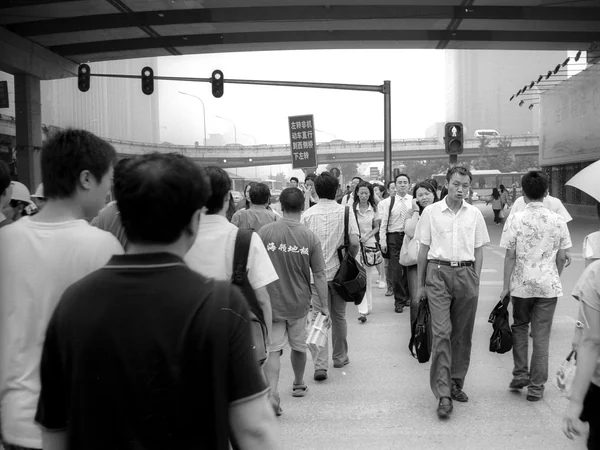
Police presence, identity checks and security screening are common at airports, railway stations, metro systems, major attractions and large events. Carry the original identification required for your journey, allow time for checks and follow instructions from uniformed staff. Security procedures can be stricter around major holidays, meetings or sensitive locations.
Move through transport and crowds deliberately
Keep the passport and essential payment access secure but available when required. At security points, supervise bags until they enter the scanner and collect every item before leaving. In a busy carriage, market or attraction, use a closed bag and avoid keeping the only bank card, phone and passport in one easy-to-reach pocket. Photograph baggage receipts and record essential serial numbers before travel.
Licensed taxis, established ride services and official transport counters reduce uncertainty. Check the vehicle and destination before departure, keep the trip record and do not accept a pressured change to an unknown shop, tea room, bar or attraction. Friendly conversation is common, but urgency, secrecy, an unusually high promised discount or a request to move payment off the agreed channel should trigger caution.
Protect payment and connectivity
Set up more than one legitimate payment method and keep a small emergency reserve separate. Confirm the amount before approving a mobile transaction, and do not allow a stranger to take control of an unlocked phone. Public charging points and shared Wi-Fi should not be treated as trusted channels for sensitive accounts. Use device locks, offline copies and account-recovery methods that do not depend on the same phone. If a card or phone is lost, contact the provider promptly and keep the police or venue report needed for an insurance claim.
China applies strict controls to firearms, ammunition, explosives and many restricted items. Travelers should not carry weapons, realistic replicas or prohibited defensive devices without explicit legal authorization. Airline, rail, customs and venue rules may differ, so check official requirements before packing and declare any item when instructed.
Audit bags before every transport mode
An item accepted on an international flight may still be restricted at a railway, metro, domestic airport or scenic-area checkpoint. Review medicines, tools, sporting equipment, realistic replicas, aerosols, lighters, blades, batteries and self-defense products before packing. Do not rely on a seller's assurance that an item is “travel safe.” Check the applicable carrier and authority rules, keep labels visible and discard prohibited items through a lawful process rather than hiding them in baggage.
Families and groups should audit shared bags as well as personal luggage. Each passenger remains responsible for what is carried under their name.
Foreign visitors must enter and remain in China with documents and permissions appropriate to their circumstances. Hotels normally complete temporary residence registration for guests; travelers staying in a private home should confirm the current registration procedure with the host or local Public Security Bureau. Carry your passport as required and keep secure copies separately in case it is lost.
Keep immigration and accommodation records consistent
Use the same valid passport for flights, trains, hotels and attractions where identity is required. If a passport is renewed or lost after bookings are made, contact each provider about the correction process. Confirm that the accommodation can receive the traveler and complete the applicable registration; private stays may require a different procedure from a hotel.
Do not overstay or work, study, report, film or conduct another controlled activity under visitor permission without confirming authorization. Entry permission does not guarantee access to every border or permit-controlled region. Keep copies of bookings and approvals, and allow time for any required local procedure.
Rules governing demonstrations, public gatherings, photography, drones, religious activity and sensitive sites can differ from those in a visitor's home country and may be enforced strictly. Avoid demonstrations, do not photograph military or security facilities, and follow posted restrictions and local-authority instructions. Check current official advice because sensitivities can change.
Local law applies even when a rule feels unfamiliar
Photography, mapping, drones, religious sites, border areas, wildlife, cultural objects and public gatherings may be regulated differently from a visitor's home country. Follow signs and staff instructions, avoid restricted infrastructure and ask before photographing people. Do not fly a drone until current registration, airspace and local scenic-area rules are confirmed. A permit for one place or date does not create nationwide permission.
Carry only medicine, defensive items, batteries, electronics and outdoor equipment that are lawful for the route and mode of transport. Never agree to carry a package for another person without knowing its contents. Preserve receipts and documentation for valuable items or regulated goods. When uncertain, use a qualified official source or consular channel rather than advice from a social post.
If an incident occurs
First move away from immediate danger. Call the appropriate emergency service, ask nearby staff for language help and give a clear location. Preserve messages, transaction records, photographs and the names of witnesses without putting yourself at further risk. Ask how to obtain a written incident or loss report. Notify the insurer and card provider within their required time, and contact the relevant embassy or consulate for passport or serious welfare issues. A consulate can provide guidance and contacts but does not replace local emergency services or guarantee a particular legal outcome.
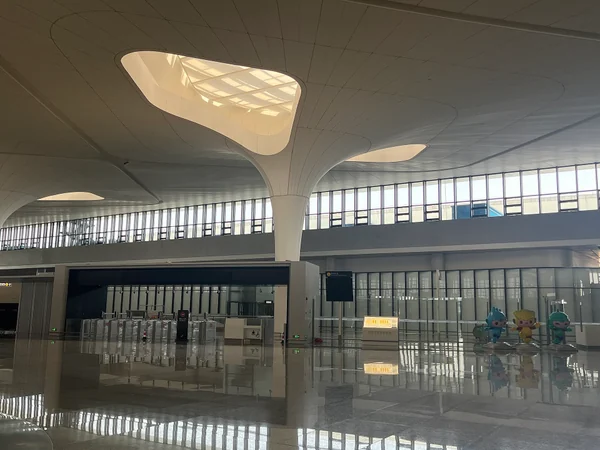
If a crime, dispute or accident occurs, move to a safe place, contact police or venue staff, and notify the tour operator, insurer and relevant consulate when appropriate. Ask for an incident report if it is needed for insurance or replacement documents. Response time and available language assistance vary, so a hotel front desk or local guide can help explain the location and situation.
Handle disputes without escalating them
For a billing, tour or transport dispute, collect the receipt, booking terms, messages and photographs of the relevant item. State the requested resolution clearly and ask for a supervisor or platform support. Do not sign a document you do not understand or surrender the passport as informal security. If the situation becomes threatening, move to safety and call police.
After an accident, obtain the names of the operator and witnesses where possible, photograph the scene only when safe and seek medical evaluation when needed. Notify the insurer promptly. Keep original documents and provide copies unless an authorized official procedure requires otherwise.
For an immediate threat or crime, call police on 110. Public Security Bureau offices handle policing and many administrative matters, while traffic police, railway police and other services have specific responsibilities. Travelers do not need to identify the exact police branch before seeking urgent help; state the location and nature of the emergency clearly.
Describe the location precisely
Emergency help is faster when the caller can provide a street address, venue name, gate, floor, station exit or nearby landmark in Chinese. Save those details before independent outings. If language is difficult, ask a hotel employee, transport worker or bystander to interpret, but keep the phone and documents under the traveler's control.
For a lost passport, payment card or phone, separate the problems: report the loss where required, contact the issuing organization, protect accounts and arrange replacement travel documents. A police report, consular document and new booking may follow different timelines, so avoid promising an onward connection until the necessary steps are confirmed.
Visitors often experience helpful, welcoming interactions in hotels, restaurants, stations and neighborhoods. That does not remove the need for normal boundaries. Be cautious when a stranger insists on leading you to a tea house, bar, massage venue or shop, and agree on prices before accepting a service. Respectful curiosity works best when paired with practical judgment.
Courtesy and caution can coexist
Accepting directions or conversation does not require sharing personal documents, financial details or an itinerary. Meet new acquaintances in public places, keep control of transport and payment, and leave if pressure replaces hospitality. A respectful refusal is appropriate when an invitation, sales approach or request feels unclear.
Protect passports, phones and payment access in crowded places. Use licensed transport, avoid leaving drinks unattended, keep accommodation details available offline and tell a trusted person about remote-day plans. The China travel safety tips page provides a pre-departure checklist. At night, choose well-used routes and reconsider any situation that feels pressured or unclear.
Adapt precautions to the traveler
Solo travelers should keep independent access to money and accommodation, avoid isolated pickup points and tell a trusted person about remote excursions. Families should place contact details with children, photograph what each child is wearing on crowded days and choose meeting points that staff can identify. Older travelers and people with limited mobility may need extra transfer time, handrails, lower train berths, accessible bathrooms and vehicles with manageable steps. Confirm those details rather than assuming a general “accessible” label covers the complete route.
Night travel is safer when the arrival station, onward transport and hotel check-in are confirmed. Avoid a late arrival in a remote place without a reliable transfer. For hiking, desert, mountain or rural routes, carry appropriate water, layers, navigation and communication; respect closures and do not rely on mobile coverage. Weather and altitude can turn a simple outing into an emergency.
Emergency numbers and communication
Save 110 for police, 119 for fire and 120 for ambulance, while recognizing that language support may vary. Keep the destination and hotel details in Chinese, and learn how to share a location from the phone used on the trip. In a non-urgent dispute, remain calm, avoid physical confrontation and seek help from venue staff, the operator or police as appropriate. For urgent medical symptoms, fire or immediate danger, call first rather than waiting to locate a guide. Recheck emergency and consular contact details before departure because operational information can change.

Call 110 for police. Official government guidance also lists 119 for fire and 120 for ambulance. Save the numbers in the phones of all travelers, and ask a Chinese speaker, hotel employee or guide to help communicate the location when possible.
Public Security Bureau (PSB)
Local Public Security Bureau offices and police stations can receive crime reports and help with procedures such as a lost-passport report. For a missing passport, contact the police first and then the embassy or consulate responsible for your nationality to confirm replacement and exit-document steps.
If personal safety is at risk, leave the immediate area and call 110. For fire call 119; for an ambulance call 120. Ask attraction, hotel or restaurant staff for assistance, but do not delay an emergency call while searching for a guide. For theft prevention and document handling, review property security in public places.
Editorial accountability
Hu Lei, CEO. The named owner is responsible for travel-planning accuracy and escalation of time-sensitive checks.
Yuntian Travel (Yunnan) Group is identified in its corporate profile as a licensed professional inbound travel service provider based in Kunming, China. Registration and travel-service documents can be requested before booking.
Page-specific references where cited, official destination, transport and entry notices, YUNSKY route-planning records, and direct provider confirmation before a booking is finalized.
Content is reviewed when rules, transport, access, pricing or route conditions change. Final availability and operating details are reconfirmed for each traveler’s dates.
Quality review: Page updated: