Your China & Yunnan Travel Experts



Chinese clothing is best understood through construction, textile, occasion and historical period—not through a single list of decorative symbols. Wrapped fronts, layered garments, belts, piping, woven borders and embroidery appear in many traditions, while fitted qipao, Manchu robes and ethnic minority dress follow different structures. See the types of Chinese clothing for those distinctions.
| Recommended Cultural Route | |||
 |
4 Days Guangzhou and Shenzhen Tour | Why it connects: Southern Chinese architecture and decorative arts can add regional context to a clothing-focused trip. | |
| Culture | (Planning idea) | ||
| Use the linked itinerary for its listed stops; add a textile, embroidery or costume museum only after confirming the current exhibition and reservation requirements. | |||
| Tour Type: Private Tour | |||
| Includes: Only the services confirmed on the live itinerary MORE… | |||
| Best Travel Time: Check destination weather and current venue schedules before booking. | |||
Dark colors often appear in formal, official or outer garments, but there is no timeless rule that elites always wore dark clothing while ordinary people wore light clothing. Dye cost, sumptuary rules, occupation, climate and local fashion all mattered.
Qipao illustrates how color, piping and fit can create a modern Chinese silhouette.
White and black can be associated with mourning, yet funeral dress varies by region, religion and family. Travelers should follow the organizer rather than apply a generalized color taboo to ordinary daily clothing.
Dragons, phoenixes, clouds, waves, flowers, birds and geometric borders can indicate rank, auspicious wishes, season or simply design. Meaning depends on date and object. The Chinese clothing history guide explains why the same motif can change across dynasties.
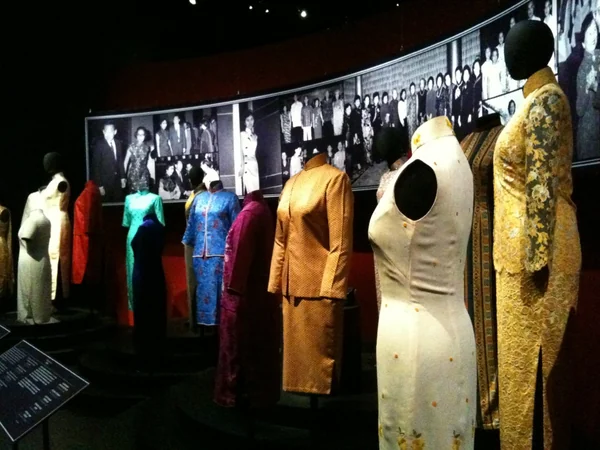
Embroidery and piping detail on a qipao; museum labels or maker notes provide the most reliable object-specific interpretation.
Editorial accountability
Hu Lei, CEO. The named owner is responsible for travel-planning accuracy and escalation of time-sensitive checks.
Yuntian Travel (Yunnan) Group is identified in its corporate profile as a licensed professional inbound travel service provider based in Kunming, China. Registration and travel-service documents can be requested before booking.
Page-specific references where cited, official destination, transport and entry notices, YUNSKY route-planning records, and direct provider confirmation before a booking is finalized.
Content is reviewed when rules, transport, access, pricing or route conditions change. Final availability and operating details are reconfirmed for each traveler’s dates.
Quality review: Page updated: