Your China & Yunnan Travel Experts


Reviewed: August 27, 2026. A strong educational trip to China begins with a learning purpose, not a list of famous stops. Define what students should investigate, create or discuss, then build the group plan, entry-document checks, dates, accommodation, food and transport around those outcomes. This guide is for teachers, families and student-group organizers; school policy, current official rules and individual medical advice still take priority.
Decide early who owns each decision. An independent family can book directly, while a school group normally needs a lead educator, a safeguarding process and a local operator able to document transport, guides and emergency support. An agency can reduce coordination work, but it cannot choose the curriculum or accept the school's duty of care. Ask for named inclusions, cancellation terms and a written response to accessibility, dietary and supervision needs before paying.

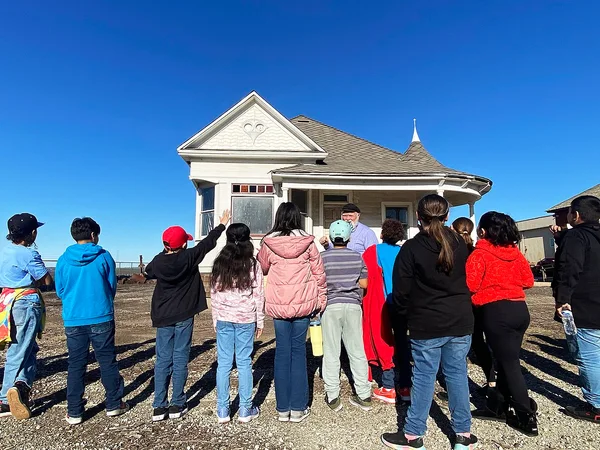
Start with the travelers. Record ages, passport nationalities, language ability, medical or sensory needs, mobility requirements, food allergies and prior international-travel experience. For minors, follow the sending school's consent, safeguarding and adult-to-student ratio rules. For university groups, name an accountable trip leader even when participants are legally adults; independence does not remove the need for an emergency chain of command.
There is no universal “ideal” group size. Ten students with two adults may be easier to supervise than twenty, but venue capacity, vehicle seats, rooming, learning tasks and the students' needs matter more than a marketing number. Divide a larger party into stable pods with an adult lead, buddy pairs and a headcount method. Test the system at home so arrival day is not the first rehearsal.
Write a responsibility matrix: one person keeps documents and emergency contacts, one leads headcounts, one tracks health needs, and one coordinates learning materials. Share a daily meeting point, lost-person procedure and two offline contact methods. Students should know when they may explore in pairs, when the group stays together and how to raise a concern privately.
Do not assume every participant needs the same document. Visa-free eligibility, visa category, transit rules and supporting materials depend on nationality, travel purpose, itinerary and current policy. A study visit that includes classes, institutional exchange or other organized activity may require different evidence from an ordinary holiday. Confirm each passport against the relevant Chinese embassy, consulate, official visa center or immigration authority before buying non-refundable travel.
Build a document register without circulating unnecessary personal data. Check passport validity and blank pages, application location, invitation or host documents if required, consent letters for minors, insurance evidence and any route-specific permits. Use the official application channel named for the applicant's country; a school or operator may coordinate the file, but each traveler remains responsible for accurate information.
Application timing Processing time is not a fixed one- or two-week promise. Appointment availability, nationality, application type, public holidays and requests for additional material can change the schedule. Work backward from departure with a contingency margin, monitor the application, and avoid locking in a non-refundable international ticket until the responsible authority's current guidance makes that risk acceptable.
Fees and service levels Fees vary by nationality, entry type, location and service. Expedited handling may not exist for every application and never guarantees approval. Quote the official fee schedule in the group's own budget rather than copying an old online figure. Keep a secure record of submission and collection arrangements, and never place passport scans in an open class chat or shared public folder.
1. Choose dates against learning goals
School breaks are convenient, but they may overlap with domestic holidays, heat, rain or high demand. Compare the academic calendar with current Chinese public-holiday dates, destination climate and the host institution's schedule. A museum-based humanities program can work in several seasons; an outdoor ecology or high-altitude component needs a more specific weather and health assessment.
There is no single best month for every educational trip to China. Beijing, Shanghai, Xi'an, Chengdu and Guilin have different heat, rainfall and crowd patterns, while Tibet and other high-elevation areas add acclimatization and permit constraints. Check current forecasts and operating notices close to travel, and prepare an indoor alternative for any weather-dependent field task.
Ten to fourteen days can support two or three major bases with useful depth; it is not a rule. Count usable learning hours after arrival recovery, hotel changes, meals, security checks and transfers. A group that observes one heritage site carefully, compares evidence in a museum and reflects afterward may learn more than a group that photographs four landmarks in one day.
2. Build the route around inquiry
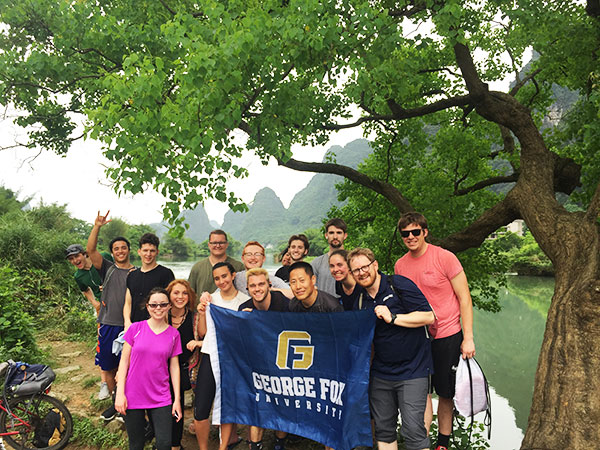
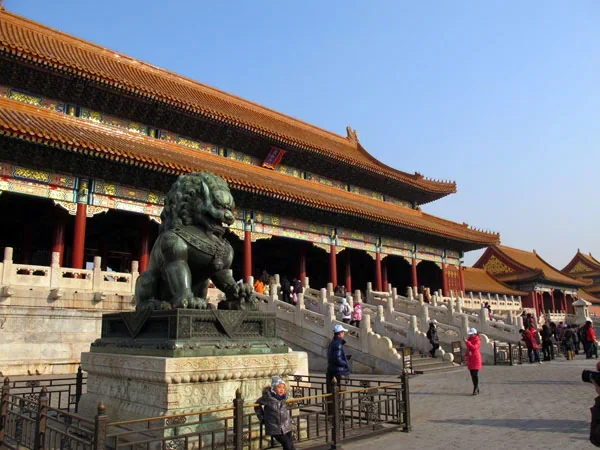
Choose destinations by the evidence they can reveal, not by a generic top-ten list. Start with one question for each destination: how did imperial space communicate authority, what can archaeology prove, or how does a river divide and connect a modern city? Use the educational trip destination guide to match locations to subjects, then verify timed entry, group-booking rules, closures and realistic transfer times.
3. Set a realistic pace
Allow a minimum of two nights in most bases, avoid a long transfer immediately before the flight home, and add recovery time after an overnight journey. Keep a 20–30% margin in outdoor days for queues, weather and group movement. For every activity, record the learning aim, preparation, duration, mobility level, toilet and meal access, supervision point, evidence students will collect and the fallback plan.

Use hands-on sessions to test a question, not as decorative entertainment. A calligraphy, painting, cooking or craft class works best when students first examine examples, learn the limits of the instructor's tradition, practice one technique and explain what changed in their understanding. The educational activities guide helps connect workshops and field visits to observation, comparison and reflection rather than promising instant mastery.
Treat public space as a place to observe respectfully, not a stage for approaching strangers. In parks, museums, theaters, markets or historic streets, use a small worksheet: What evidence is visible? Whose perspective is missing? What needs a reliable source before it becomes a conclusion? Ask permission before photographing people, homes, worship or working areas. Museums in Beijing, Xi'an and Shanghai can anchor source-based work; neighborhoods and performances can then add context. Pre-book group entry where required, keep voices and equipment unobtrusive, and never describe a staged performance or one household visit as a complete picture of Chinese culture. End the day with a short evidence review so misconceptions are corrected while details are fresh.

Accommodation Choose rooms for supervision, sleep and safe movement rather than star rating alone. Confirm legal guest registration, rooming rules for minors, adult rooms near student rooms, lifts or step-free access, heating or cooling, breakfast timing, potable-water arrangements and a night emergency contact. Budget groups can compare the student accommodation guide, but must recheck the property's current license, group policy, fire exits, reviews and cancellation terms.
Food Regional meals can become a useful lesson in agriculture, trade and migration when they are introduced with context. Build choice into the menu instead of framing a very spicy hotpot or unfamiliar texture as a test of courage. Schedule enough time for handwashing, ordering and conversation, and carry a translated group dining card when staff may not share the group's language.
Collect allergy, intolerance, religious and dietary information confidentially before travel. Distinguish a medical allergy from a preference, confirm ingredients and cross-contact limits with the provider, and keep prescribed emergency medication accessible with trained supervision. Vegetarian or vegan labels may be understood differently, so specify ingredients to exclude rather than relying only on a category name.
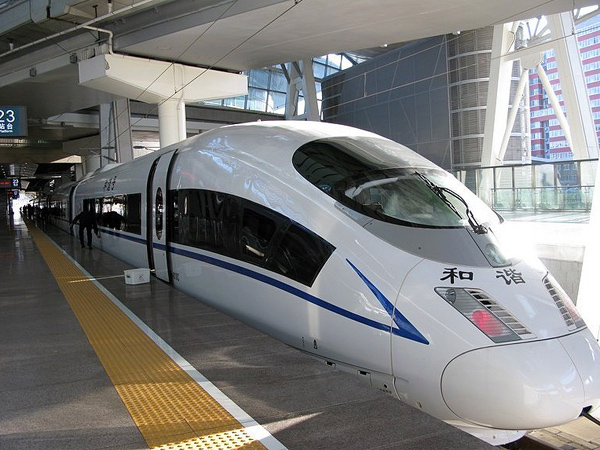
Map the whole journey: international arrival, airport or station transfer, intercity legs, daily vehicle access and the final outbound connection. Use licensed transport, confirmed seat capacity and seat belts where fitted; split groups only with named adults and duplicate contact information. Recheck train or flight numbers, baggage limits, identity-document rules and station access close to departure because timetables and procedures change.
Arrange a destination- and activity-specific pre-travel health review, insurance including appropriate medical evacuation, medication continuity and an emergency communications plan. Keep the first day light after a long flight, add acclimatization before high-elevation travel, and document when the group stops an activity. Price the full plan—including visas, tips, workshops, single rooms, contingency transport and cancellation exposure—then keep an emergency reserve. A sound budget protects learning and safety instead of merely choosing the cheapest line item.
From $ 2356

From $ 1207

From $ 22782050
Editorial accountability
Hu Lei, CEO. The named owner is responsible for travel-planning accuracy and escalation of time-sensitive checks.
Yuntian Travel (Yunnan) Group is identified in its corporate profile as a licensed professional inbound travel service provider based in Kunming, China. Registration and travel-service documents can be requested before booking.
Page-specific references where cited, official destination, transport and entry notices, YUNSKY route-planning records, and direct provider confirmation before a booking is finalized.
Content is reviewed when rules, transport, access, pricing or route conditions change. Final availability and operating details are reconfirmed for each traveler’s dates.
Quality review: Page updated: