Your China & Yunnan Travel Experts


Reviewed: August 27, 2026. Educational activities in China should connect a learning question to observation, practice and reflection. The student tour experiences guide can help shortlist ideas, but every booking still needs current safeguarding, accessibility, provider, venue and schedule checks.
A strong activity brief states what students will investigate, what evidence they will collect, who may participate, how consent works and what happens afterward. Watching, making and meeting people are not automatically educational; the value comes from preparation, guided attention and honest limits on what one session can prove.
Give students a one-page viewing protocol: identify the genre, venue, performers, story source, music, costume, movement and staging; then separate direct observation from the presenter's interpretation. Verify current show times and age rules with the venue because a past tour schedule is not a reliable operating notice.

1. A wushu production can demonstrate athletic training, choreography, lighting and narrative. Avoid the inaccurate story that every martial tradition shares a single monastic origin; a theatrical character is not documentary evidence. Ask students how camera culture, tourism and stage design shape the performance, and prohibit imitation of advanced movements without a qualified instructor.
2. Acrobatics can support physics, biomechanics and performance studies when students examine balance, rotation, teamwork and risk control. Keep discussion respectful: performers are skilled professionals, not spectacles. Motorcycles, aerial work or other high-risk acts must remain observation-only unless a separate, age-appropriate provider and risk assessment exists.
3. An outdoor water or landscape production can be studied as site-specific theatre: how do weather, sound, reflection, shoreline and audience position change the story? Do not guarantee a named show, scene or cast. Prepare an indoor alternative when weather, accessibility or late finishing time makes the performance unsuitable. Programs, venues and productions change, so replace old fixed recommendation lists with current primary-source checks. Ask whether captions or interpretation are available and whether a student with sensory or mobility needs can participate comfortably.
Compare two forms rather than treating all “Chinese shows” as one tradition. Students might contrast commercial stage choreography with a community or heritage presentation, while recording who explains the work and what evidence supports claims about origin. 4. Chinese shadow puppetry uses leather or paper figures manipulated behind a lit screen, with music and singing; UNESCO records it as a living tradition transmitted through families, troupes and practitioner teaching. A workshop should name the practitioner or troupe and the regional context instead of presenting one style as universal.
Ask permission before filming, especially backstage, and do not assume students may handle puppets or instruments. If participation is offered, the practitioner should set the technique, group size and care rules. Peking opera, local opera and shadow play differ in training, repertory, music and social setting. Use the provider's description and an independent cultural source, then let students identify what remains uncertain. After the show, require one evidence caption, one question for further research and one correction to a pre-trip assumption. This turns entertainment into accountable learning.
A hands-on session needs a qualified instructor, interpretable steps, appropriate tools and a realistic endpoint. Students should learn how materials, labor and regional practice shape an object or dish; they should not be promised mastery or an “authentic local life” after a single class.

1. A dumpling workshop can examine dough, filling, regional variation and shared labor. Begin with handwashing, ingredient labels and role allocation, then compare technique rather than declaring one filling “the Chinese way.”
Collect allergy, intolerance and dietary information privately. Confirm cross-contact, raw-meat separation, cooking temperature responsibilities and whether each student may handle knives or heat. Keep prescribed emergency medication available under the group's established plan.
2. Paper cutting and knotting can introduce pattern, negative space, material choice and symbolic use. The instructor should explain the specific design and occasion; red color or a motif does not have one fixed meaning across every region and household. Use age-appropriate scissors and let students opt out of copying sacred or personal imagery.
3. A replica-figure or ceramics workshop can discuss clay preparation, molds, firing and the difference between archaeological evidence, museum conservation and souvenir production. Label the finished piece clearly as a modern replica, follow transport and customs rules, and never encourage removal of material from a protected site.
Painting, calligraphy and cooking lessons work best after students examine examples and vocabulary. The Chinese calligraphy and painting introduction provides preparation, but the local instructor's method and safety briefing take priority.
1. A Chinese painting lesson can compare brush loading, line, ink tone, composition and the use of blank space. Avoid saying that all traditional painting is monochrome or follows one method. Students should annotate which technique they practiced and which historical claims came from a source.
2. Chinese calligraphy is both writing and visual art. UNESCO describes five broad script traditions—seal, clerical, cursive, running and regular—but a beginner normally practices a limited model under supervision. Record the script, teacher and tool choice; one copied character is an introduction, not proficiency.
3. A cooking class can connect ingredients, seasonality, heat control and regional taste. Choose a licensed or otherwise appropriately managed venue, verify food and fire safety, and give observation or documentation roles to students who cannot eat or handle an ingredient. A private-home visit requires explicit host consent and should never be portrayed as typical of every household.
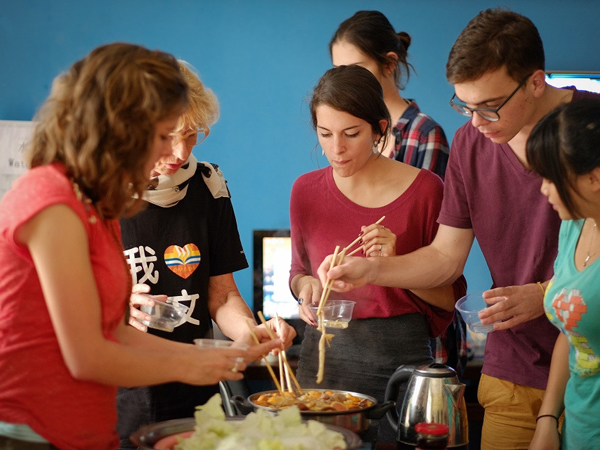
Public spaces can support observation of movement, recreation and services, but people are not exhibits. Students should use a bounded route, work in supervised pairs or pods, avoid recording identifiable people without consent and protect any notes containing personal information.
1. A short Tai Chi session can introduce balance, weight transfer, pace and coordinated movement. Use a trained instructor, a level surface and a seated or observation option. Do not advertise it as treatment or promise health outcomes; students with an injury or medical concern follow professional advice. The learning task is to compare instruction, movement vocabulary and group use of space—not to judge a practice after one morning in a park. Ask before joining an existing community group or photographing participants.
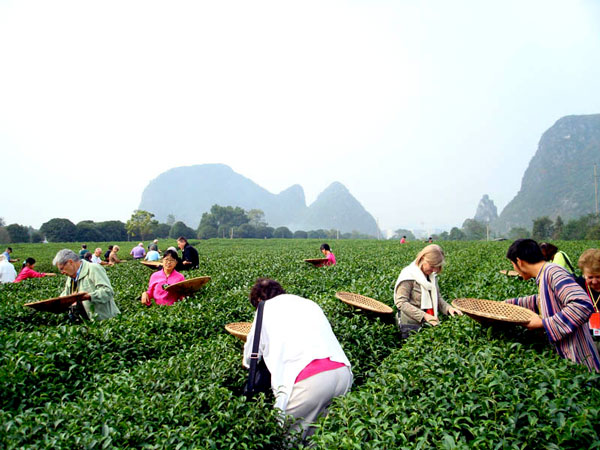
2. A tea visit can link agriculture, processing, trade, material culture and hospitality. Identify the tea, season and demonstrated process, and distinguish what students saw from what the host explained. Do not make medicinal claims or require tasting. At a plantation, stay on permitted paths, ask before picking leaves or photographing workers, and check heat, rain and pesticide-related access rules. A student who avoids caffeine can study aroma, tools, packaging and supply-chain evidence without drinking tea.
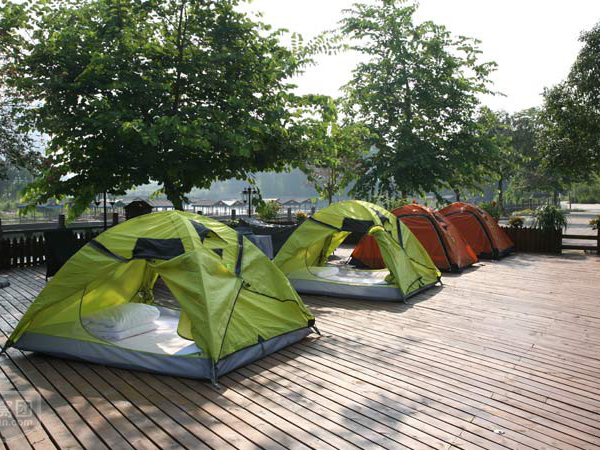
Camping, cycling, hiking or climbing requires a separate risk decision covering qualified providers, weather, equipment, insurance, toilets, communications, evacuation and an equivalent low-impact role. A dramatic photograph is not evidence that a route is suitable for minors or beginners.
Match every activity to a city and question with the educational trip destination guide. Do not repeat the same generic workshop in every stop simply because it is easy to book.
Before confirming, record provider identity, learning outcome, duration, language support, group size, access, consent, safeguarding, health controls, evidence task, current-rule check and fallback.
Afterward, students should submit an observation, an interpretation, a sourced fact and a remaining question as four separate items. That simple distinction protects accuracy and produces a more useful learning portfolio than a gallery of uncaptioned photos.
Two well-prepared activities with reflection can be stronger than a full day of demonstrations. Preserve rest, allow students to decline intrusive participation, credit practitioners and review every public caption for permission and evidence before publication.
From $ 2356

From $ 1207
From $ 22782050
Editorial accountability
Hu Lei, CEO. The named owner is responsible for travel-planning accuracy and escalation of time-sensitive checks.
Yuntian Travel (Yunnan) Group is identified in its corporate profile as a licensed professional inbound travel service provider based in Kunming, China. Registration and travel-service documents can be requested before booking.
Page-specific references where cited, official destination, transport and entry notices, YUNSKY route-planning records, and direct provider confirmation before a booking is finalized.
Content is reviewed when rules, transport, access, pricing or route conditions change. Final availability and operating details are reconfirmed for each traveler’s dates.
Quality review: Page updated: