Your China & Yunnan Travel Experts


Reviewed: August 26, 2026
November moves China from late autumn toward early winter, but the timing differs sharply by latitude and elevation. Beijing may have cold, dry-feeling days while the Pearl River Delta stays mild; high western routes can already be wintry. Travelers arriving earlier should compare the October weather guide, then use city forecasts and official alerts for the actual itinerary.

This section covers Beijing, Hebei, Shanxi, Shaanxi and the Northeast. Cold-air outbreaks can bring sudden cooling, strong wind, rain or snow. Short daylight and icy mornings affect exposed walls, station transfers and road travel even when monthly precipitation is low.
Good-fit route ideas: Beijing museums and heritage sites, Xi'an history, or a Northeast trip only after confirming winter operations.
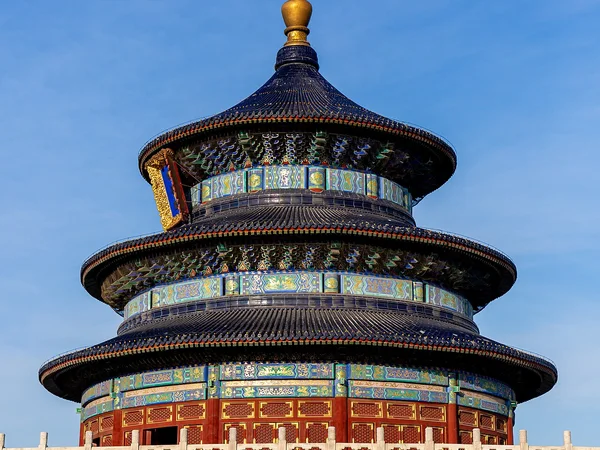
Beijing: Use the Temple of Heaven, Forbidden City and museum options to balance exposed Great Wall time. The replacement photograph shows the Hall of Prayer for Good Harvests without implying current conditions. Reservation rules and closures should be checked through first-party channels.
Harbin: November is not a guaranteed ice-festival month. Do not plan around sculptors working or a presumed opening date; confirm each venue's official announcement. A winter city itinerary still needs insulated footwear, face protection and indoor warm-up stops.
Xi'an: The Terracotta Army, city museums and Muslim Quarter can form a resilient route when wind makes long wall walks uncomfortable. Avoid promising low crowds, and shorten cycling or exposed activity when surfaces are wet, icy or officially restricted.
The region includes Shanghai, Jiangsu, Zhejiang, Anhui, Hubei and adjacent areas. November often feels like late autumn in lowland cities, while Huangshan can be much colder. Cloud, wind and rain determine comfort, and autumn color progresses at different times by species, elevation and year.
Good-fit route ideas: Shanghai culture, Nanjing history and Qixia foliage, or Huangshan with flexible timing and an urban fallback.
Shanghai: Build days around neighborhoods, museums and waterfront segments rather than one long exposed walk. Theme-park demand changes with weekends and promotions; consult the operator calendar and do not label November automatically quiet.
Nanjing: Qixia Mountain and Ming Xiaoling can retain seasonal color, but no date guarantees peak leaves. Follow forest fire controls, stay on open paths and watch for slick stone or leaf-covered steps after rain.
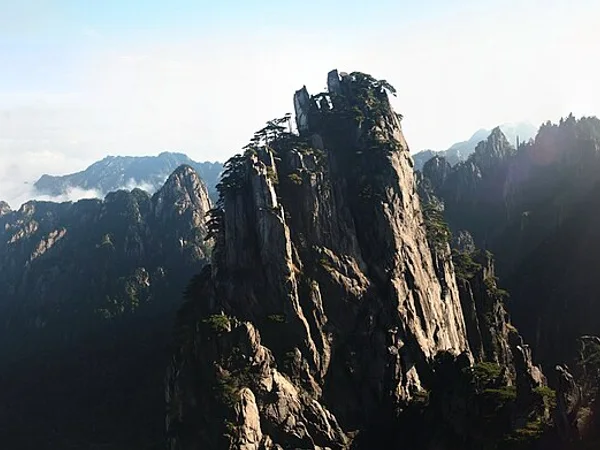
Huangshan: The replacement image accurately identifies Huangshan's granite peaks and pine landscape. Views, foliage, cloud seas and first snow cannot be promised. Check trail, cableway, wind and ice notices, and carry warmer layers than the lowland forecast suggests.
Guangdong, Fujian, Guangxi and Hainan remain milder than northern China. November can support walking and food-focused routes, but coastal wind, residual tropical-cyclone risk and regional rain still require a forecast check.
Good-fit route ideas: Xiamen and Fujian heritage, Guangzhou food and museums, or Guilin with a rain-aware river plan.
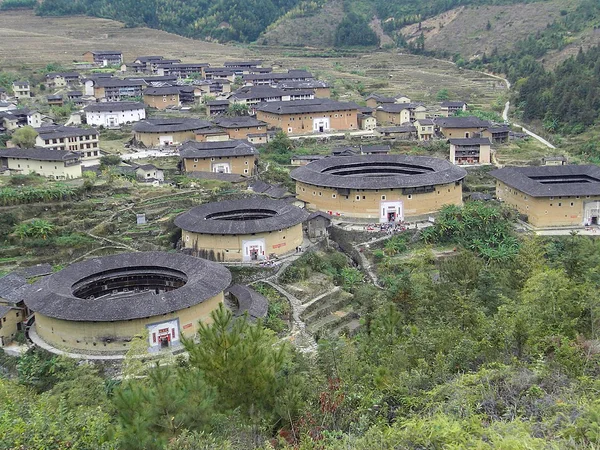
Xiamen and Fujian: Use the official Gulangyu ferry system and preserve time for architecture and museums if coastal conditions change. The replacement Tulou image shows the Chuxi cluster; visit inhabited earthen buildings respectfully, follow host rules and ask before photographing residents.
Guangzhou: Milder weather can make neighborhood exploration comfortable, but food hygiene, weekend demand and outdoor heat still vary. Pair markets and restaurants with the Chen Clan Ancestral Hall, museums or another indoor stop.
Guilin and Yangshuo: Lower humidity can improve walking comfort, yet river level, visibility and cycling surfaces remain weather-dependent. Confirm cruise operation, use a helmet, avoid unlit rural riding and leave a margin before onward rail.
Tibet, Xinjiang, Qinghai and Gansu include high plateaus, deserts and mountain corridors; November is already winter in many exposed locations. Reduced services and long distances can matter more than low precipitation.
Yunnan, Sichuan and Chongqing range from damp basins to cold alpine parks. November can be useful for slower city-and-highland combinations, but fog, cold rain, snow and closures remain route-specific.
Good-fit route ideas: Chengdu culture, Dali and Lijiang at an unhurried pace, or Chongqing with indoor alternatives.
Chengdu: Cooler days can be comfortable for the panda base, but animal activity is never guaranteed. Follow current visiting rules, keep voices low, avoid flash where prohibited and pair the visit with museums or historic neighborhoods.
Dali and Lijiang: Use separate forecasts for Erhai, the old towns and any mountain stop. Respect working communities and sacred spaces; book only authorized routes, acclimatize before higher excursions and follow closure notices.
Chongqing: Cooler basin weather often supports steep urban walks, but fog, rain and shorter daylight affect views and river operations. Pace stairs, use official transit and consult the December weather guide if the journey enters full winter.
Editorial accountability
Hu Lei, CEO. The named owner is responsible for travel-planning accuracy and escalation of time-sensitive checks.
Yuntian Travel (Yunnan) Group is identified in its corporate profile as a licensed professional inbound travel service provider based in Kunming, China. Registration and travel-service documents can be requested before booking.
Page-specific references where cited, official destination, transport and entry notices, YUNSKY route-planning records, and direct provider confirmation before a booking is finalized.
Content is reviewed when rules, transport, access, pricing or route conditions change. Final availability and operating details are reconfirmed for each traveler’s dates.
Quality review: Page updated: