Your China & Yunnan Travel Experts


Reviewed: August 27, 2026. A first China trip becomes manageable when decisions are made in the right order: entry eligibility, dates, route, travel style, nights, transport, accommodation, payments and packing. The eight steps below are a planning sequence, not a promise that one itinerary fits every U.S. traveler. Verify all dynamic rules with the responsible authority before purchase.

West Lake is retained as an example of a destination that needs time and context, not as a universal first-trip requirement.
Start with available nights, arrival gateway and the climate of each proposed region. China spans several climate zones, so “spring” or “autumn” does not produce the same conditions in Beijing, Shanghai, Yunnan and Tibet. The China timing guide for U.S. travelers helps compare regional weather and crowd tradeoffs.
Use regional climate records rather than a single national forecast. March to May and September to November can be comfortable for some classic routes, but rain, heat, altitude and holiday demand still vary by destination and year. Build one indoor or lower-intensity alternative for each weather-sensitive day.

Dongchuan Red Land is pictured because seasonal color and access influence a Yunnan landscape visit; the image does not guarantee identical conditions.
Check current dates for statutory holidays and major local events before booking. Crowds and prices depend on the exact city, venue and transport corridor, so avoid a blanket “never travel” rule.
A first trip does not need to represent all of China. Choose a primary question—imperial history, archaeology, urban change, food, karst, mountains or family learning—and give each stop enough time. Beijing , Xi'an and Shanghai form a practical history-to-modernity axis, but even this route needs arrival recovery and door-to-door transfer time. Add one landscape region only when the calendar supports it.

Daocheng Yading remains with this route section as a high-altitude landscape example; it is not a casual add-on.
 Route check: count hotel-to-station transfers, not only train or flight time.
Independent travel can work for travelers comfortable with passport-based bookings, Chinese addresses, translation tools and contingency planning. A guided day or full tour can be useful for complex heritage interpretation, limited time, mobility needs or destinations with difficult last-mile transport. Support should solve a defined problem, not replace informed consent.
Compare credentials, scope, inclusions and cancellation terms. Group or private?
A group can lower some shared costs and provide a fixed structure; a private arrangement can adapt pace and interests but usually costs more. Ask who operates each service, group size, hotel level, meals, shopping stops, accessibility and what happens when weather or admission changes.

Count nights on the ground, then subtract arrival recovery, intercity travel and the final departure buffer. Seven nights can support two or three well-connected cities. Four planning tests keep the route honest:
 Budget check: compare refundable and nonrefundable totals before extending the trip.
Most U.S. tourist itineraries require the correct entry permission, while limited exceptions have separate conditions. The Chinese Embassy in the United States currently uses an online visa application process and publishes current tourist-visa requirements. The National Immigration Administration's 240-hour visa-free transit policy applies to eligible travelers only when the trip continues to a third country or region through designated ports and within permitted areas. It is not a round-trip substitute. Check the U.S. traveler entry guide, then verify the embassy and NIA again before booking.
Book the international gateway and any hard-to-change timed element first, then confirm domestic legs and hotels around them. Compare the actual airport, terminal, railway station and arrival time. Do not schedule a separate-ticket domestic connection too close to international arrival, and keep the final night in the departure city when disruption would threaten the flight home.
For hotels, verify passport registration, exact room, reception hours, cancellation, deposit, location and accessibility. Save the Chinese address offline. Booking early can improve choice, but no timing guarantees a lower price.

Shanghai is shown as a major gateway; the skyline is not evidence that a particular hotel or airport transfer is convenient.
China Railway's official 12306 English service supports passport-based real-name tickets. Match names and passport numbers exactly, carry the original booking document and confirm the full station name. High-speed rail is often efficient between city centers, but air may be better for long or poorly connected routes. The China high-speed rail guide explains ticketing and station checks. For local travel, compare metro, licensed taxi, bus and booked vehicle access by city, luggage and arrival hour. Avoid assuming a map pin equals an entrance. Save Chinese destinations, station exits and a backup route offline. For every intercity leg, record the departure station, arrival station, document used for booking, luggage plan and hotel transfer before treating the connection as complete.

A Hong Kong tram is retained only as a local-transport example; mainland city systems and payment methods differ.
Carry the passport and entry document used for bookings, insurance details, prescriptions, essential medication, power adapter, weather layers and comfortable footwear. Keep sensitive copies secure and separate. Download confirmations, Chinese addresses, translations and emergency contacts for offline access. Test mobile payment before departure while retaining an eligible card and RMB cash backup; payment support and limits can vary.
 Packing check: use destination weather and activity requirements, not a generic national list.
A strong first itinerary can explain why each stop earns its nights, how every transfer works and what changes if weather, admission or health interrupts the plan. Avoid absolute promises about an entire country; good planning reduces predictable friction while leaving room for local conditions.
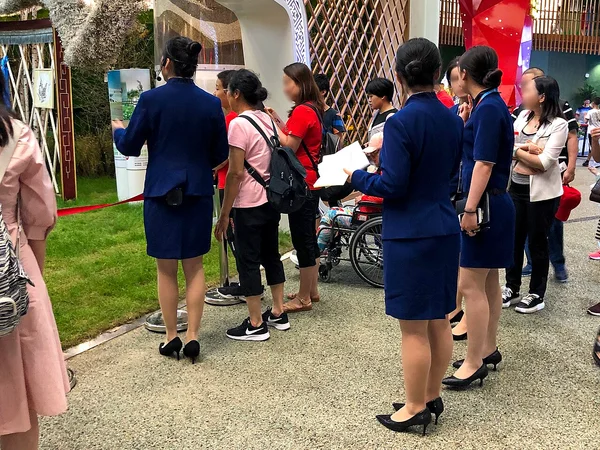
The guide-team photograph illustrates accountable assistance, not a guarantee about service quality.
Whichever model you choose, use documented requirements and keep control of passports, payments and final decisions.

From $ 2498

From $ 22782050
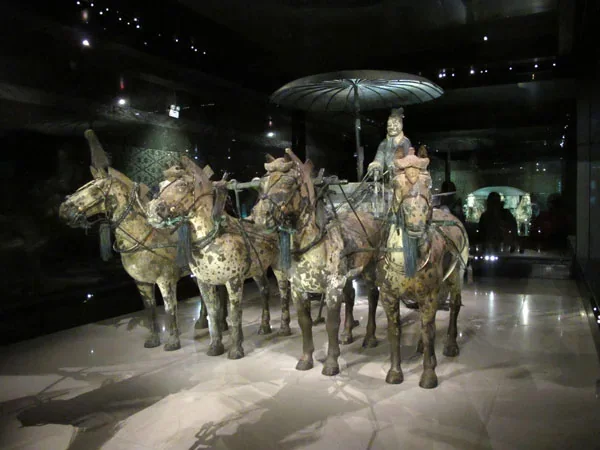
From $ 2983
Editorial accountability
Hu Lei, CEO. The named owner is responsible for travel-planning accuracy and escalation of time-sensitive checks.
Yuntian Travel (Yunnan) Group is identified in its corporate profile as a licensed professional inbound travel service provider based in Kunming, China. Registration and travel-service documents can be requested before booking.
Page-specific references where cited, official destination, transport and entry notices, YUNSKY route-planning records, and direct provider confirmation before a booking is finalized.
Content is reviewed when rules, transport, access, pricing or route conditions change. Final availability and operating details are reconfirmed for each traveler’s dates.
Quality review: Page updated:

 The Great Wall visitor photograph illustrates different travel styles sharing a public site; it is not an endorsement of a tour product.