Your China & Yunnan Travel Experts


Reviewed August 27, 2026. The best time to visit China depends on the route, not a single nationwide season. Beijing, Guilin, Yunnan, Hainan, Harbin and the Tibetan Plateau can have very different weather on the same date. Begin with the places you want to see, then compare climate, holiday demand, daylight, mobility and cancellation terms. the route, not a national slogan is the soundest way to choose dates. This guide gives U.S. travelers a month-and-season framework while marking the details that must be rechecked for the actual year.

The Great Wall in a clear-weather period; visibility and crowd levels vary by day
There is no universally bad month. A date becomes a poor fit when heat, rain, altitude, closures or holiday demand conflicts with the trip's priorities. Travelers who dislike queues may avoid peak domestic travel periods; families tied to school calendars may instead keep the dates and reserve flexible transport, timed admission and less crowded alternatives.
For 2026, the State Council's published arrangement lists several multi-day public holidays. For later years, use the newly issued annual calendar rather than copying these dates. Our China date-planning checklist can help turn the official calendar into a route-specific booking sequence, but government, venue and transport notices remain controlling.
 High-demand periods to check before purchase:
Spring Festival can be rewarding for travelers invited into an appropriate local setting, yet it is not a normal sightseeing week. Transport, opening hours and restaurant availability can change. Plan the cultural purpose first and confirm each service rather than assuming that everything is closed or everything costs more.

9-day Spring Festival planning example
Beijing, Xi'an and Shanghai with protected transfer time and confirmed opening hours
For many first-time routes, late spring and early autumn offer a useful balance, but those labels are only a starting point. Read the China climate guide, identify the most weather-sensitive stop and compare current forecasts shortly before departure. March to May and September to November often provide workable conditions across several classic city routes. They are not guarantees: southern rain, northern dust or cold snaps, typhoon impacts and high-altitude snow can occur within those windows.
Spring can suit a mixed history-and-landscape trip because temperatures often moderate, daylight increases and many gardens become active. Southern China may be wet, northern areas can be windy, and mountain conditions lag behind city weather. Build the route around Guilin for karst scenery with a rain plan, Yunnan for elevation and regional climate contrasts, and Huangshan only after checking trail, cableway and visibility conditions.
Beijing, Shanghai, Chengdu and Xi'an can work well in spring, but each needs a separate forecast and holiday check. Do not rely on the outdated blanket claim that Tibet is always closed to foreign visitors in March; access, permits and regional arrangements must be confirmed for the proposed route with the responsible authorities and operator.
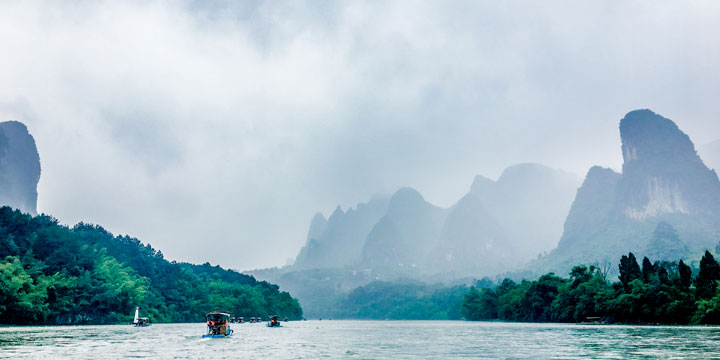
Li River scenery in Guilin; spring rainfall can change visibility and river conditions
China spring destinations and route ideas
Summer gives long daylight and school-holiday access for many families, but heat, humidity and rain can reshape a schedule. Chongqing and some inland basins can be very hot; parts of southern and eastern China enter wetter periods; northern grasslands and high areas have different storm and temperature patterns. Summer can support Tibet with permit and altitude planning, Yunnan with local rain and landslide checks, and Hainan only with heat, rainfall and tropical-weather flexibility.
July and August can be busy at famous family attractions. Reserve the highest-priority timed sites, visit outdoor landmarks early, protect hydration and use a museum or neighborhood alternative when weather or crowd density makes the original plan unhelpful.

Lotus season at West Lake in Hangzhou; flowering and weather vary annually
China summer destinations and heat-aware planning
Autumn is popular because several classic routes may see lower humidity and clearer intervals, but the season changes rapidly from north to south. For fall color, research the annual viewing window at Jiuzhaigou rather than assuming a fixed week, compare harvest stages at Longji Rice Terraces and choose a Great Wall section by access, walking ability and forecast. Color and visibility are natural conditions, not bookable inclusions.
September can retain summer heat in the south, while November can feel wintry in the north. Around National Day, protect city-to-city tickets and avoid stacking several headline attractions in one day. For October route detail, use the China weather in October guide and then recheck the destination forecast. Xinjiang has large distances, sharp temperature differences and locally variable access; fruit seasons and autumn colors differ by valley and altitude, so verify rather than promise them.

Autumn color at Jiuzhaigou; timing, trail access and daily capacity require current checks
China autumn destinations and crowd tradeoffs
Winter conditions range from severe cold in the northeast to mild spells in parts of the south. Snow is possible in Xi'an and Beijing but is not guaranteed. Harbin is designed for sustained cold-weather planning, while Hong Kong , Yunnan and Hainan offer different winter climates rather than one dependable “warm China” alternative.
Winter can bring lower demand on some routes, but ski periods, ice festivals, New Year and Spring Festival can reverse that pattern. Confirm heating, daylight, trail closures, road conditions and cancellation rules. Pack for the coldest outdoor segment, not the average city temperature.

Harbin Ice and Snow World; event dates and operating conditions are announced seasonally
China winter destinations and cold-weather preparation
There is no fixed cheapest season for every U.S. gateway and Chinese city. Start by testing two or three flexible departure windows outside the route's major holiday and event peaks. Compare total trip cost—not airfare alone—including checked bags, airport transfers, nonrefundable rooms, domestic transport and weather disruption.
A better budget tactic is to price the same route in a shoulder period and an off-peak period, then keep the option with acceptable weather and flexible terms. December through early March may be economical for some city routes, but Spring Festival, winter resorts and warm-weather destinations are important exceptions.
The best time to visit China is the period when the route's weather-sensitive experiences, crowd tolerance and budget overlap. A first trip should identify one priority per city, one backup for each outdoor day and one flexible intercity segment. The first China trip planning guide turns those choices into a workable sequence.

Longji Rice Terraces; agricultural stages and viewing conditions vary by season
Landscape-focused route examples:
Culture-focused route examples:
If your dates are flexible, send the exact U.S. departure city, available nights, preferred regions, mobility needs and the one experience you would regret missing. We can then build a route around evidence rather than forcing the trip into a generic “best month.”

From $ 2498

From $ 22782050
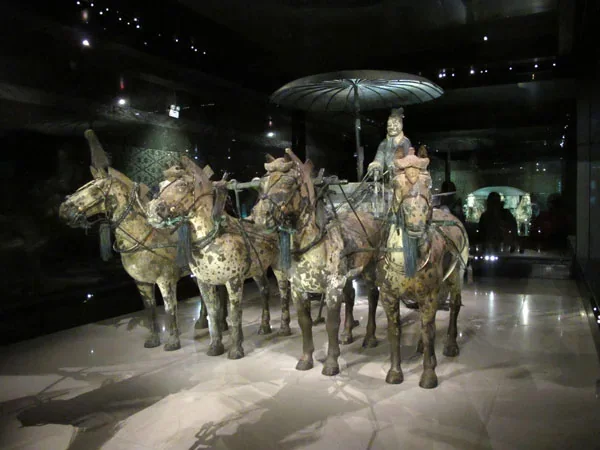
From $ 2983
Editorial accountability
Hu Lei, CEO. The named owner is responsible for travel-planning accuracy and escalation of time-sensitive checks.
Yuntian Travel (Yunnan) Group is identified in its corporate profile as a licensed professional inbound travel service provider based in Kunming, China. Registration and travel-service documents can be requested before booking.
Page-specific references where cited, official destination, transport and entry notices, YUNSKY route-planning records, and direct provider confirmation before a booking is finalized.
Content is reviewed when rules, transport, access, pricing or route conditions change. Final availability and operating details are reconfirmed for each traveler’s dates.
Quality review: Page updated: