Your China & Yunnan Travel Experts


Reviewed August 27, 2026. The best China destinations for senior travelers are not simply the cities with the most famous sights. A useful choice matches the traveler's interests with real walking distances, climate, altitude, toilets, seating, transport handoffs and access to care. The eight places below offer different strengths, from a warm coast to museums and historic capitals. “Senior-friendly” is not a guarantee of step-free access, so verify the exact entrance, lift, vehicle and room before paying.
Sanya can suit travelers who want beach views and a slower rhythm rather than a full sightseeing schedule. Boardwalks and resort grounds may provide level walking, but sand, heat, humidity and long transfers to outlying bays still matter. Choose a hotel only after confirming the route from room to breakfast, pool or beach, plus lift access and shaded seating. Typhoon-season conditions and marine activities require a current forecast and operator check.
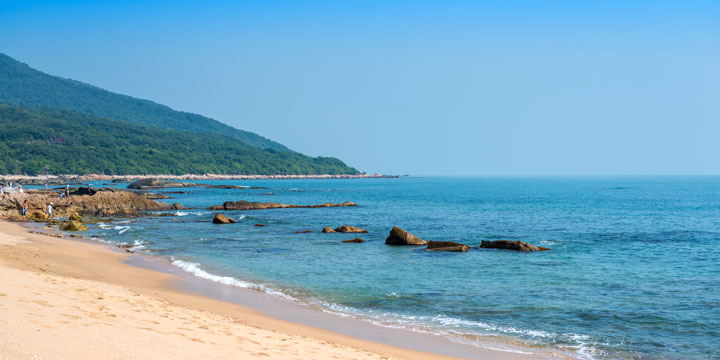
Best experience: a shaded promenade and unhurried sea view
Planning window: Many visitors prefer the drier, milder part of the year, but compare heat, rainfall, holiday crowds and the short-range forecast for the actual dates.
Good-fit sights: Yalong Bay for a resort stay; Sanya Bay for sunsets and city access; Nanshan for culture if the site route and walking demands are confirmed.
Where to stay: Pick one bay and minimize daily cross-city drives. Ask for a quiet room near a lift, non-slip bathroom features and a breakfast plan that fits dietary needs.
Suggested stay: Three to five nights, including a weather-flexible half-day.
Decision check: Choose Sanya for warmth and rest; skip or shorten it if heat, sun exposure, sand or long resort distances conflict with the traveler's needs.
Kunming combines parks, museums, food and access to Yunnan landscapes. Its elevation is much lower than Lhasa but still higher than many coastal cities, so climate and exertion should be judged individually. “Spring City” is a useful nickname, not a promise of identical weather every day; rain, strong sun and cool evenings can all affect a plan.
Stone Forest is a long excursion with uneven limestone paths. Travelers who prefer less walking can focus on the Yunnan Provincial Museum, Green Lake, a tea experience or a carefully chosen section of the Yunnan Ethnic Village. Cultural visits should explain living communities rather than present ethnicity as a costume display.
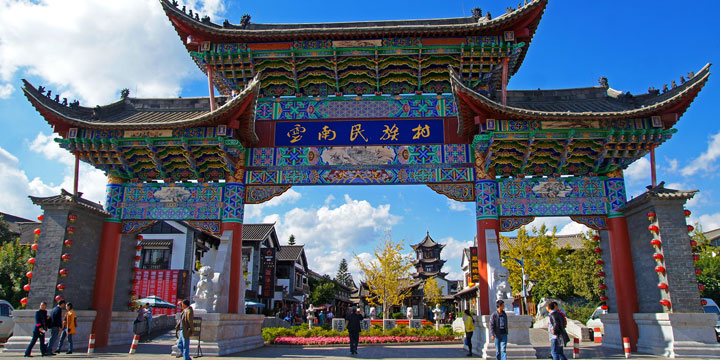
Best experience: city culture with one optional landscape day
Planning window: Spring and autumn often offer comfortable conditions, while exact rain, sun and temperature still need a date-specific check.
Good-fit sights: Green Lake, Yunnan Provincial Museum and selected accessible city stops; Stone Forest only after confirming surface, distance and shuttle arrangements.
Where to stay: Central Kunming near the day's first stop, with an elevator, walk-in shower request and a vehicle pickup point that does not require a long lane walk.
Suggested stay: Two to four nights, adding time if a full Stone Forest day is important.
Decision check: Choose Kunming for regional culture and flexible city days, not as a rushed gateway with several long road trips.
Guilin is a strong choice when landscape is the priority because a Li River cruise or lakeside route can deliver memorable views without a mountain ascent. A boat day is not automatically effortless: confirm gangways, steps, railings, toilets, seating and the drive back from Yangshuo. Rain can soften the scenery but may also make paving slippery.
Use the Guilin travel hub to compare the city, Yangshuo and Longji. Longji Rice Terraces involve steep village paths and are not a simple add-on for every traveler. Reed Flute Cave also includes steps and damp surfaces. A level riverfront walk, a four-lakes boat or an adapted countryside drive may fit better.
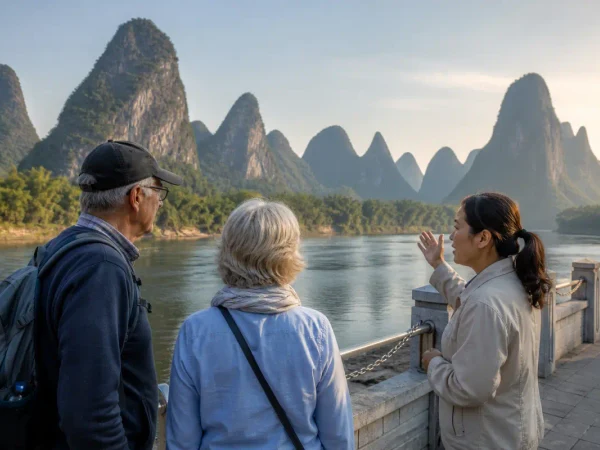
Best experience: karst views from a boat or level waterfront
Planning window: There is no single dry-and-perfect season; balance rain, heat, river conditions and domestic holiday traffic for the dates.
Good-fit sights: Li River, the city lakes and selected Yangshuo countryside viewpoints; evaluate caves and terraces separately.
Where to stay: Central Guilin for easier transfers, or one Yangshuo hotel if countryside time matters more than changing bases.
Suggested stay: Three to five nights with one weather alternative.
Decision check: Choose Guilin for scenery at a gentle pace; write the boat boarding and return-transfer details into the itinerary.
Chengdu works well for travelers who want varied days without moving hotels. Visit a panda base early because pandas are often more active in cooler morning conditions, but do not promise a close encounter or volunteer activity: programs, age rules and animal-welfare arrangements change. Confirm current routes, shuttle availability, walking distance and crowd controls with the facility.
Balance the panda morning with a seated teahouse break, Sichuan cuisine adjusted to taste, or a museum. Sanxingdui is a major archaeology experience outside the center and deserves its own half-day or day. Leshan and Mount Emei add driving and steps; evaluate them as separate excursions rather than automatic inclusions.

Best experience: an early panda visit followed by an easy city afternoon
Planning window: Spring and autumn can be comfortable, while summer humidity, winter chill and daily air or rain conditions still affect outdoor time.
Good-fit sights: A current panda-base route, People's Park, selected museums and one well-paced food experience.
Where to stay: Near a central pickup route rather than inside a nightlife lane; verify vehicle access and room layout.
Suggested stay: Three to four nights, longer if Sanxingdui or Leshan is a priority.
Decision check: Choose Chengdu for animals, archaeology and daily-life culture, not for an unverified hands-on panda promise.
Hangzhou rewards a slow schedule. West Lake can be experienced by short boat ride, selected waterfront sections and gardens rather than a full circuit. Crowds and traffic increase on weekends and holidays, while stone paving, bridges and temple steps vary. Confirm boarding, toilet and vehicle access before assuming a boat eliminates all walking.
Lingyin Temple and tea villages add cultural depth but can involve steps, slopes and uneven lanes. A museum or lakeside pavilion can be a better wet-weather option. Treat Wuzhen as a separate excursion with bridges and transfers, not merely another Hangzhou neighborhood.
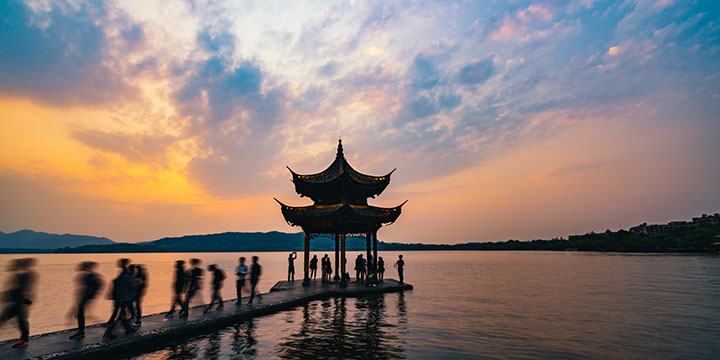
Best experience: one side of West Lake explored without rushing
Planning window: Spring blossoms and autumn air are popular, but crowd level, rain and temperature can matter more than a broad seasonal label.
Good-fit sights: Selected West Lake shoreline, a short boat ride, China National Silk Museum and a verified tea-village route.
Where to stay: Near the east or north side of West Lake with straightforward vehicle access; avoid a scenic lane if luggage cannot reach the door.
Suggested stay: Two to three nights, plus one if adding a water town.
Decision check: Choose Hangzhou for graceful scenery and culture, then narrow the lake to the sections that fit the traveler's stamina.
Shanghai offers a useful mix of level promenades, major museums, gardens, river views and dependable indoor choices. The Bund can be busy and requires finding the right vehicle drop-off; Yuyuan Garden has thresholds and tight paths. Official city guidance says accessibility is improving but can vary at older venues, so verify the exact entrance and lift for each stop.
A Huangpu River cruise can reduce walking only if boarding works for the traveler. Build one neighborhood at a time instead of crossing the city repeatedly. A museum interpreter, shaded former-concession walk or seated performance can carry as much value as a landmark checklist.
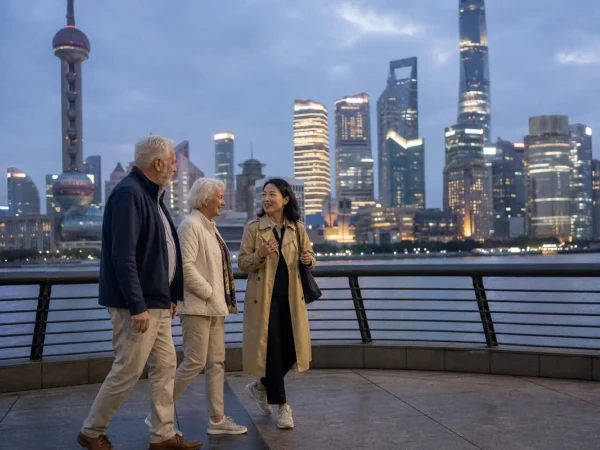
Best experience: modern Shanghai paired with one well-explained heritage visit
Planning window: Spring and autumn are often pleasant; summer heat and humidity, winter dampness, rain and major events need current checks.
Good-fit sights: The Bund, Shanghai Museum or another chosen museum, a verified garden route and an optional river cruise.
Where to stay: Near the preferred district and a practical pickup point; confirm room accessibility rather than relying on the hotel category.
Suggested stay: Three to five nights with an indoor weather plan.
Decision check: Choose Shanghai for variety and low-altitude city comfort, while budgeting real time for station and airport walking.
Xi'an is the strongest fit for travelers whose priority is early imperial history. The Terracotta Army is outside the city and the museum complex involves security, crowds and substantial walking. Arrange a clear pickup, ask about official mobility assistance and use a guide who can prioritize the most important pits rather than keeping everyone standing through a fixed lecture.
The Xi'an travel hub helps compare the City Wall, Big Wild Goose Pagoda area and museums. A wall visit can be short and view-focused; cycling is optional, not a requirement. Mount Huashan remains a demanding mountain environment even when cable cars operate, because transfers, steps, weather and exposed sections remain.

Best experience: Terracotta Army interpretation without a rushed city afternoon
Planning window: Spring and autumn often suit outdoor time, but dust, rain, heat, cold and holiday crowds need date-specific checks.
Good-fit sights: Terracotta Army, a selected City Wall section, Shaanxi History Museum when reservations work, and a seated cultural activity.
Where to stay: Inside or near the city center with vehicle access; a Bell Tower view is not useful if the room requires awkward transfers.
Suggested stay: Three to four nights with the Terracotta Army on a dedicated day.
Decision check: Choose Xi'an for archaeology and layered history; do not add Huashan without a separate capability and weather assessment.
Beijing combines imperial sites, museums, hutongs, parks and the Great Wall, but distances and security queues can make an apparently simple day demanding. Plan one major site per half-day and specify the entrance, exit, vehicle point, seats and toilets. The Forbidden City and Temple of Heaven require meaningful walking; a wheelchair changes the route but does not make every surface accessible.
Use the Beijing travel hub to separate city days from the Great Wall. Mutianyu may provide cable-car options, yet boarding, slopes, tower steps and closures must be verified. Summer Palace offers beautiful waterfront sections, but the entire park is too large for a casual “walk around.”
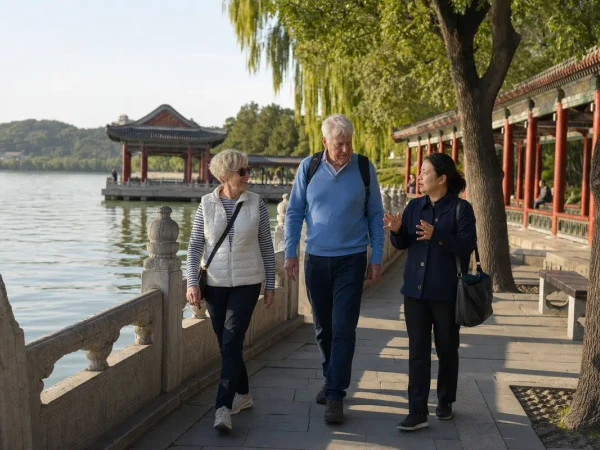
Best experience: one imperial site explained well, with a park or hutong alternative
Planning window: Spring and autumn can be comfortable; summer heat and storms, winter cold, air quality and public holidays require active planning.
Good-fit sights: Forbidden City with a defined route, Summer Palace by selected entrance, Temple of Heaven park and one appropriate Great Wall section.
Where to stay: Choose central access and a dependable pickup lane over a fashionable address hidden in a pedestrian alley.
Suggested stay: Four to six nights, including recovery time after arrival.
Decision check: Choose Beijing when history is central, but reduce the daily list until the walking, queues and transfers are honest.
Beyond these eight, Zhangjiajie, Huangshan, Jiuzhaigou and Tibet can be rewarding but introduce stairs, remote access or altitude. CDC's 2026 Yellow Book notes that fitness does not prevent altitude illness and that rate of ascent matters. Treat each as a separate risk-and-access decision, not a bonus stop.
Start with two non-negotiable experiences, then score each city for walking, steps, climate, transfer time, medical access and rest. A good first trip usually has fewer bases and longer stays than a conventional highlights tour. Ask for measurements and routes, not just the phrase “senior-friendly.”

Older travelers reviewing a paced China itinerary with a travel adviser
From $ 1599
From on request

From $ 23332100
Editorial accountability
Hu Lei, CEO. The named owner is responsible for travel-planning accuracy and escalation of time-sensitive checks.
Yuntian Travel (Yunnan) Group is identified in its corporate profile as a licensed professional inbound travel service provider based in Kunming, China. Registration and travel-service documents can be requested before booking.
Page-specific references where cited, official destination, transport and entry notices, YUNSKY route-planning records, and direct provider confirmation before a booking is finalized.
Content is reviewed when rules, transport, access, pricing or route conditions change. Final availability and operating details are reconfirmed for each traveler’s dates.
Quality review: Page updated: