Your China & Yunnan Travel Experts


April is a rewarding month for a multi-region China trip , but spring does not arrive at the same pace everywhere. Northern cities can still turn cold after sunset, the lower Yangtze becomes greener and wetter, and southern routes need a rain plan . Treat monthly ranges as climate guidance rather than a promise for your dates. Check each destination forecast before departure, and compare the March weather guide if the journey begins early in the month.
China spans continental plains, humid subtropical coasts, deserts and high plateaus, so a single national average can mislead. April generally brings warmer days, longer daylight and more outdoor options, but cold fronts, southern rain, strong wind and mountain closures remain possible. Use the China climate guide for the wider seasonal pattern, then check a city-level forecast 7–10 days before travel and again when moving between regions.
In Beijing, Tianjin and Harbin , spring is visible but not settled. Beijing is often comfortable for long walks, while Harbin remains distinctly cooler. Wind direction, cloud and elevation can matter more than a neat monthly range.
► Beijing : Use the clearest, least windy day for the Great Wall and keep the Forbidden City or a museum for a less favorable forecast. Carry water and sun protection even when the air feels cool; exposed stone routes can be much windier than the city center. The adjacent Great Wall image illustrates the northern route, not live conditions.
Harbin: Snow is no longer a reliable city experience in April, although shaded or outlying areas can remain cold. Pack a warm evening layer and confirm park, hiking and seasonal-attraction operations rather than assuming winter facilities are still open.

Shanghai, Hangzhou and Suzhou combine mild intervals with damp or rainy days. Spring gardens are attractive, but bloom timing and visibility change after warm weather, wind or sustained rain.
► Shanghai : Plan riverfront and skyline viewpoints around the clearest window, and use museums or historic interiors when rain persists. A compact rain shell and shoes with grip are more useful than relying on an umbrella in strong wind.
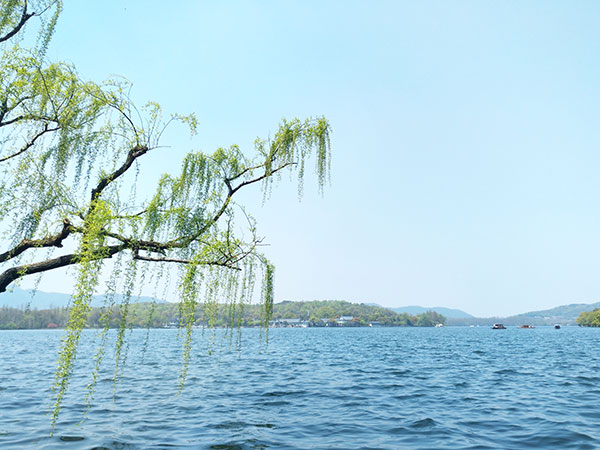
► Hangzhou and Suzhou: West Lake, tea villages and classical gardens work well in April, but weekends and the Qingming holiday can be busy. Reserve any timed entry, avoid touching blossom branches and leave room for a teahouse or museum during a wet spell. The West Lake image beside this section represents spring sightseeing, not a guaranteed bloom stage.
Guangzhou, Guilin and lower-elevation southern destinations can feel warm and humid. Rain may be brief or persistent, and thunderstorms can disrupt river, cableway and exposed walking plans.
Guangzhou: Choose breathable clothing and an indoor backup. After a heavy downpour, allow extra transfer time and follow local lightning or flood warnings rather than continuing into a closed park or waterside path.
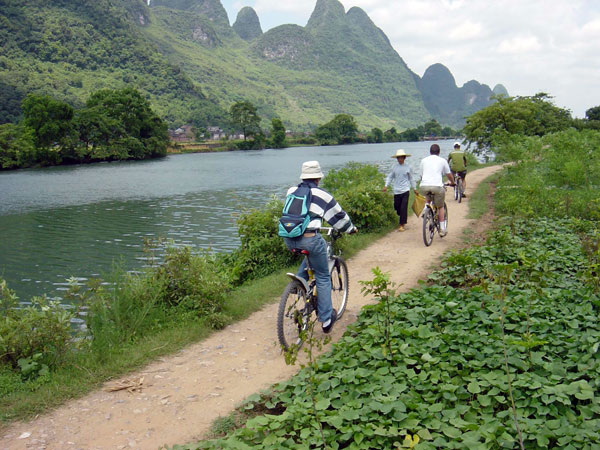
Guilin : Rain helps create the green karst scenery shown in the adjacent countryside image, but it can also reduce visibility or alter Li River operations. Do not place a cruise return immediately before an important flight or train, and confirm cycling routes after prolonged rain.
Kunming: The city is often milder and less humid than the far south, with strong sun at elevation and cooler evenings. Conditions in Kunming do not represent Dali, Lijiang or Shangri-La, so compare forecasts for every overnight stop.
Tibet, Xinjiang and Sichuan cover very different elevations and climate zones. April can open more routes, but the phrase “travel season” does not guarantee access, stable roads or comfortable acclimatization.
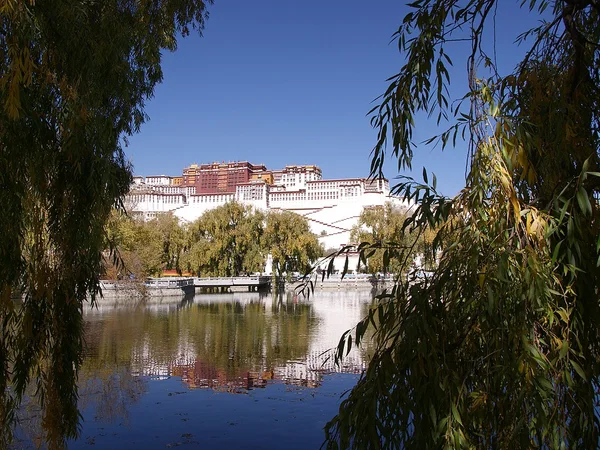
Tibet: Lhasa may have bright days and cold nights. Clear skies do not remove altitude illness, ultraviolet or wind risk. International travelers should confirm current permit and organized-tour requirements before purchasing transport, keep the first day light and follow medical advice for concerning symptoms. The replacement image shows the Potala Palace for the adjoining Tibet route card.
Xinjiang: Distances are large and spring arrives unevenly. Ili blossom timing depends on elevation and annual warmth; Kanas can remain wintry. Use current road and bloom reports, and never treat one regional forecast as suitable for the whole autonomous region.
Sichuan: Chengdu is often mild and cloudy with rain possible, while Mount Emei and western Sichuan are cooler and more exposed. Panda activity is not guaranteed by month; use the current visitor notice and allow a weather alternative for mountain travel.
13 Days Tibet and Panda Journey
Beijing, Xi'an, Lhasa, Chengdu and Shanghai
Wuhan, Changsha and Xi'an can offer good walking weather, but warm afternoons, cool mornings and passing rain all occur. Keep high-exposure walls, lakes and scenic overlooks flexible.
Wuhan: Cherry bloom may be ending by April and cannot be promised. East Lake remains worthwhile for shoreline scenery and museums; use current bloom and crowd notices rather than a fixed annual calendar.
Xi'an: The city wall and archaeological sites suit a dry day. Bring sun protection, schedule shade or indoor time during a warm spell, and avoid rushing a distant attraction into a tight same-day rail connection.
Build a small layering system instead of packing for one national temperature:
1. Qingming Festival — dated planning context: In 2026 the official Qingming holiday ran 4–6 April. Families may visit ancestral graves, while parks, intercity transport and popular spring destinations also see leisure demand. Holiday dates and make-up workdays vary by year, so check the current State Council calendar before buying inflexible tickets. Observe cemetery customs quietly and do not treat remembrance activities as a tourist performance.
2. Water-Splashing Festival: Celebrations associated with the Dai New Year take place in Yunnan , especially in Xishuangbanna. Exact event dates, parade routes and visitor controls are announced locally; they should not be reduced to one fixed nationwide date. Join only designated activities, keep phones and documents dry, ask before photographing people and never splash someone who is not participating. Xishuangbanna can be hot and busy during major celebrations, so reserve transport and lodging early and follow current public-safety and traffic notices.
3. Guangxi Sanyuesan: This holiday and festival period is important to Zhuang and other communities in Guangxi . Dates follow the lunar calendar and official regional arrangements; performances differ by place. Attend community events respectfully, use the program issued for that year, and avoid presenting one staged performance as representative of every Zhuang community. Possible bases include Nanning, Guilin and parts of northern Guangxi; choose the place only after confirming its published program.
April supports several weather-sensitive outdoor experiences, but a responsible plan uses current bloom, access and agricultural notices. Flowering can advance or finish early after warm weather, while wind and rain shorten displays.
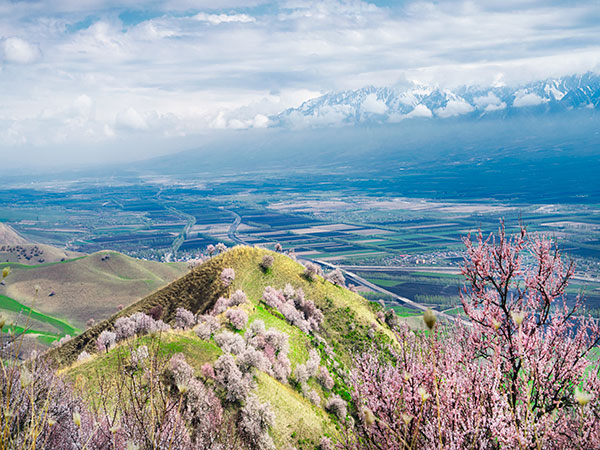
Ili almond and apricot landscapes: Turgen and other valleys can flower from late March into April, with timing changing by elevation and year. The image shows the type of spring blossom landscape associated with Ili. Check the exact open viewing area, road condition and local bloom report; do not enter orchards, pasture or village property without permission.
Luoyang peonies: Peony displays usually make April a popular time in Luoyang, but individual cultivars and gardens flower at different times. Use the current festival and park bulletin, reserve busy dates and stay on marked paths rather than leaning into beds for photographs.
Wuyuan rapeseed fields : These are working agricultural landscapes around villages, not permanent scenic props. The main bloom can begin in March and may be past peak in lower areas by April. Use designated viewpoints, protect crops and build a rain-safe walking plan.
Spring tea work is seasonal and farm-specific. A tasting or picking activity should be arranged with a legitimate host; visitors should not enter terraces, handle equipment or assume every field accepts drop-ins.
Guizhou tea areas: Meitan and other producing counties offer extensive tea landscapes, but plantation access, demonstrations and harvest timing vary. Confirm what an experience includes, respect workers and distinguish a visitor workshop from commercial production.
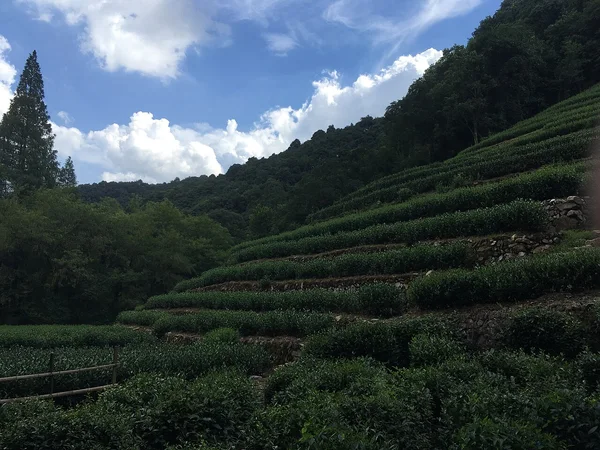
Hangzhou Longjing tea: Early spring is important for Longjing production, yet harvest categories, weather and processing schedules are more nuanced than “before Qingming equals best.” Visit an authorized village venue or the China National Tea Museum, ask how origin and grade are verified, and keep paths through working terraces clear.
4 Days Hangzhou and Wuzhen Water-Town Tour
Hangzhou, Wuzhen and Hangzhou
View itinerary details > Compare the May weather guide if the trip continues into warmer, wetter conditions. Reviewed on 26 August 2026 using WMO climate-normal guidance, CMA material and the official 2026 holiday notice.
|
Region |
Destination | April Weather | Why Visit in April | Best For |
| East China | Hangzhou (Zhejiang) | 12–22°C, pleasant | West Lake at its most beautiful, spring flowers everywhere | Leisure travel, photography |
| East China | Suzhou (Jiangsu) | 11–21°C | Classical gardens in full bloom | Couples, culture lovers |
| East China | Wuyuan (Jiangxi) | 12–22°C | Famous rapeseed flower villages | Photography, countryside |
| East China | Shanghai | 12–20°C | Ideal weather for city sightseeing | City breaks |
| South China | Guilin (Guangxi) | 15–25°C | Lush karst landscapes and riverside scenery | Nature lovers |
| South China | Yangshuo (Guangxi) | 15–25°C | Green rice fields, cycling and river cruises | Outdoor activities |
| South China | Xiamen (Fujian) | 16–23°C | Comfortable seaside climate | Relaxation, couples |
| Southwest China | Kunming (Yunnan) | 12–24°C | Spring flowers and mild temperatures | Leisure, flower lovers |
| Southwest China | Dali (Yunnan) | 10–22°C | Clear skies and blooming landscapes around Erhai Lake | Slow travel |
| Southwest China | Lijiang (Yunnan) | 5–20°C | Snow mountains with spring colors | Photography |
| Central China | Zhangjiajie (Hunan) | 12–22°C | Green peaks and fewer crowds before peak season | Nature & hiking |
| Central China | Wuhan (Hubei) | 12–22°C | Late cherry blossoms and spring parks | Flower viewing |
| North China | Beijing | 8–20°C | Best season for sightseeing before summer heat | History & culture |
| North China | Pingyao (Shanxi) | 6–18°C | Comfortable weather in a well-preserved ancient town | History lovers |
| Northwest China | Xi'an (Shaanxi) | 8–20°C | Mild spring climate for historical exploration | Cultural travelers |
| Tibet | Lhasa | 3–15°C | Clear skies and improving travel conditions | |
Editorial accountability
Hu Lei, CEO. The named owner is responsible for travel-planning accuracy and escalation of time-sensitive checks.
Yuntian Travel (Yunnan) Group is identified in its corporate profile as a licensed professional inbound travel service provider based in Kunming, China. Registration and travel-service documents can be requested before booking.
Page-specific references where cited, official destination, transport and entry notices, YUNSKY route-planning records, and direct provider confirmation before a booking is finalized.
Content is reviewed when rules, transport, access, pricing or route conditions change. Final availability and operating details are reconfirmed for each traveler’s dates.
Quality review: Page updated: